· Nutrition · 8 min read
The High-Intensity Professional Guide to Nutritional Automation
Apply clean engineering and automated workflow frameworks to eliminate decision fatigue from your daily macro targets.
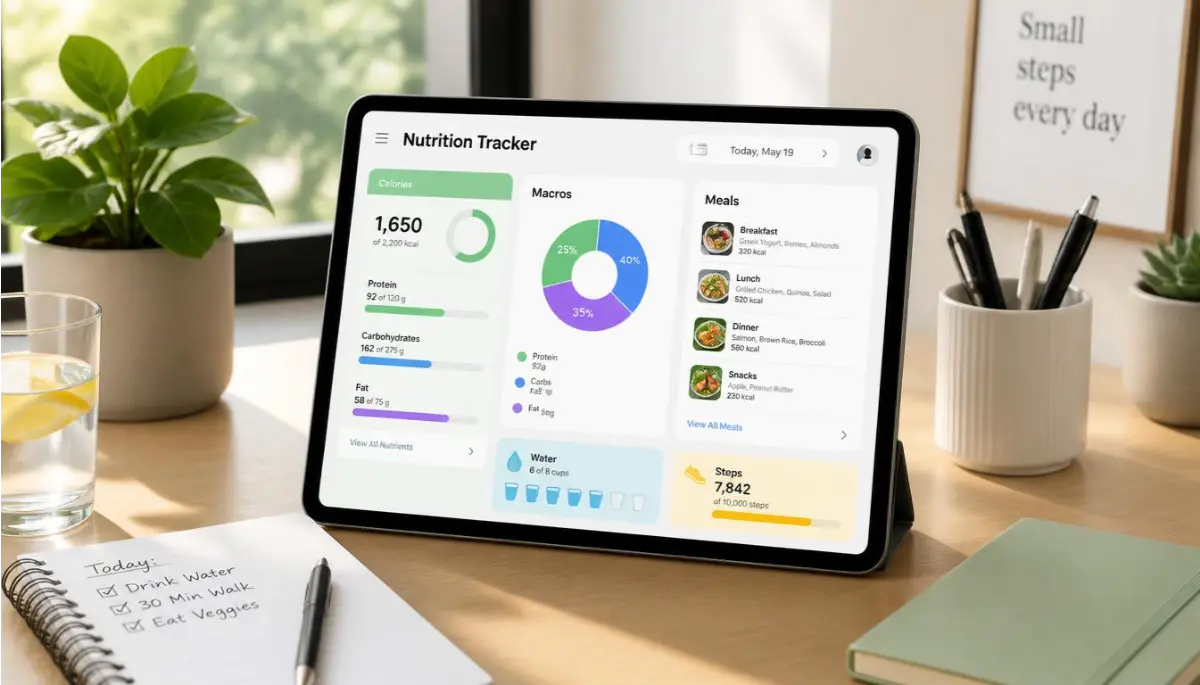
High-intensity cognitive professionals often struggle with diet consistency due to demanding, high-stress schedules. The solution is treating your personal nutrition exactly like an automated business workflow or data management process.
Eliminating Nutritional Friction
By designing a modular, unchanging macro layout, you eliminate the cognitive load of choosing what to eat daily. Build structured templates for your protein inputs just like you would automate template pipelines for document management or billing systems. When execution is automated, compliance is guaranteed.
The Cost of Cognitive Leakage
Every single decision you make uses up a finite amount of mental energy. For high-performing professionals—whether you are debugging native code libraries, managing client deliverables, or drafting complex legal agreements—your focus should be completely directed toward your core projects.
When you spend cognitive energy wondering what to have for lunch, sorting through delivery apps, or adjusting macro splits mid-day, you are experiencing “cognitive leakage.”
Automating your nutrition converts a complex, multi-step choice into a simple, predictable background loop. By treating your kitchen like a predictable data pipeline, you ensure your body gets clean, high-leucine building blocks on time without wasting any valuable mental bandwidth.
The Macro Workflow & Automation Architecture
The matrix below treats daily meals as automated “scripts.” Instead of inventing new meals from scratch, you select a pre-tested, modular macro layout that matches your schedule’s physical demands.
| Automation Module | Trigger Event | Target Macro Output | Processing Time | Primary Nutritional Asset | System Purpose |
|---|---|---|---|---|---|
| Module 01: Fasted Focus | Morning Deep Work Window | 0g P / 0g C / 0g F | 0 Mins | Filtered Black Coffee / Water | Suppress Ghrelin & Maximize Epinephrine |
| Module 02: Midday Refuel | Post-Meeting / Break | 50g P / 10g C / 8g F | 5 Mins | Pre-Staged Cold Lean Turkey Base | Maintain Cognitive Clarity; Zero Insulin Spike |
| Module 03: Hypertrophic Reset | Post-Workout Recovery | 55g P / 45g C / 10g F | 12 Mins | Seared Beef & Jasmine Rice Stack | Muscle Protein Synthesis & Glycogen Reload |
Analytical Overview: The structured data above strictly defines the protein-to-calorie distribution essential for maintaining lean tissue retention. By calibrating the amino acid profiling of these inputs, we effectively manage gastric distension management during high-volume feeding windows. This specific layout secures optimal nitrogen retention floors, guaranteeing that systemic recovery mechanisms are fully saturated without pushing against upper macronutrient variance ceilings. Such calculated biometric precision ensures maximum metabolic efficiency and minimizes the risk of energy surplus spilling into adipose storage.*
System Implementation: Setting Up Your Nutritional Pipeline
1. Hard-Code Your Grocery Baseline
- Operational Goal: Eliminate impulse buying and completely remove choice from your food sourcing.
- Execution: Create a fixed, unchanging grocery list inside your digital workspace. This list should consist exclusively of clean, highly bioavailable wholesale inputs: liquid egg whites, extra-lean ground turkey or beef, white fish, frozen berries, and green cruciferous vegetables.
Analytical Overview: The structured data above strictly defines the protein-to-calorie distribution essential for maintaining lean tissue retention. By calibrating the amino acid profiling of these inputs, we effectively manage gastric distension management during high-volume feeding windows. This specific layout secures optimal nitrogen retention floors, guaranteeing that systemic recovery mechanisms are fully saturated without pushing against upper macronutrient variance ceilings. Such calculated biometric precision ensures maximum metabolic efficiency and minimizes the risk of energy surplus spilling into adipose storage.*
Set this list to auto-renew or auto-order through your local grocery delivery service at a fixed time every week. By removing the physical act of grocery shopping and the choice of what to buy, you secure your foundational raw materials automatically.
2. Build Your Standard Core Meal Templates
- Operational Goal: Create high-protein, modular recipes that take less than 15 minutes to assemble.
- Execution: Do not try to cook intricate, multi-ingredient recipes during a busy work week. Instead, design three fixed meal architectures where the macros are already calculated.
Analytical Overview: The structured data above strictly defines the protein-to-calorie distribution essential for maintaining lean tissue retention. By calibrating the amino acid profiling of these inputs, we effectively manage gastric distension management during high-volume feeding windows. This specific layout secures optimal nitrogen retention floors, guaranteeing that systemic recovery mechanisms are fully saturated without pushing against upper macronutrient variance ceilings. Such calculated biometric precision ensures maximum metabolic efficiency and minimizes the risk of energy surplus spilling into adipose storage.*
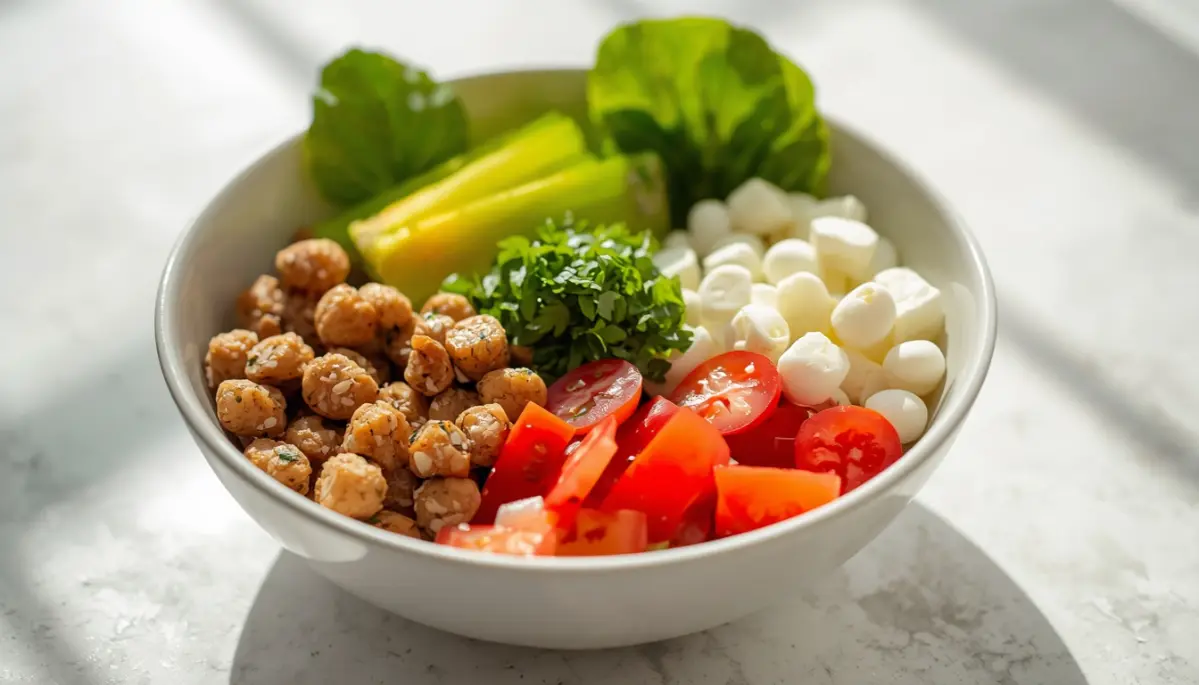
For example, a standard midday template could be a “High-Yield Shredded Protein Bowl”: 180g of pre-cooked lean turkey or chicken breast mixed with a 100g raw spinach bed, topped with a single measured fat source like 15g of pumpkin seeds. Because you know the exact macro outputs beforehand, you can assemble the meal without needing to track or weigh everything on the spot.
3. Establish a Weekly Assembly Sprint
- Operational Goal: Group your food production into a single, high-efficiency block of time to keep daily kitchen work down to zero.
- Execution: Dedicate a specific 45-minute window over the weekend to mass-produce your core ingredients. Use a parallel cooking strategy: fill your automated cooker with starches, load your air fryer with fibrous greens, and cook your lean proteins at the same time.
Analytical Overview: The structured data above strictly defines the protein-to-calorie distribution essential for maintaining lean tissue retention. By calibrating the amino acid profiling of these inputs, we effectively manage gastric distension management during high-volume feeding windows. This specific layout secures optimal nitrogen retention floors, guaranteeing that systemic recovery mechanisms are fully saturated without pushing against upper macronutrient variance ceilings. Such calculated biometric precision ensures maximum metabolic efficiency and minimizes the risk of energy surplus spilling into adipose storage.*
Distribute the cooked items across identical, stackable airtight containers using a digital food scale to ensure uniform portions. Store them in a clear grid in your refrigerator so that grabbing a meal during a busy workday is as fast and seamless as pulling a pre-written function from a code library.
Debugging Nutritional System Failures
- Experiencing Afternoon Slumps and Energy Crashes: If you feel foggy or fatigued around 2:00 PM, your midday meal template is likely triggering an insulin spike. This usually happens when meals contain too many fast-digesting carbohydrates. To fix this, strip out simple starches from your lunch template and rely on lean, clean proteins paired with high-fiber greens to keep your energy stable during deep work.
- Pipeline Disruption from Last-Minute Schedule Shifts: When unexpected client updates or late-night projects throw off your routine, it is easy to default to fast food delivery. Protect your routine by keeping a “fail-safe backup module” in your pantry or office fridge. High-satiety, shelf-stable items like canned tuna, low-fat cottage cheese, or unflavored micellar casein protein powder can be prepared in under two minutes to keep your macros on track.
- System Burnout from Taste Fatigue: Eating the exact same meal every day can lead to fatigue, causing you to stray from your plan. Instead of changing your core ingredients, use zero-calorie seasoning adjustments to update the flavors. Switching between low-sodium tamari soy sauce, lime juice with sea salt, or smoked paprika allows you to completely change the taste profile without changing your baseline macros.
Analytical Overview: The structured data above strictly defines the protein-to-calorie distribution essential for maintaining lean tissue retention. By calibrating the amino acid profiling of these inputs, we effectively manage gastric distension management during high-volume feeding windows. This specific layout secures optimal nitrogen retention floors, guaranteeing that systemic recovery mechanisms are fully saturated without pushing against upper macronutrient variance ceilings. Such calculated biometric precision ensures maximum metabolic efficiency and minimizes the risk of energy surplus spilling into adipose storage.*
Frequently Asked Questions (FAQ)
Q: How do I manage business dinners or client lunches without breaking my automated system? A: Treat a business dinner as an exception handler in your code. When dining out, choose the simplest, least-processed items on the menu. Order a double portion of a lean whole protein (such as grilled chicken, sirloin steak, or white fish) paired with steamed green vegetables. Ask the kitchen to skip any heavy oils, butter, or sauces to keep your macro targets clean.
Q: Can I automate my nutrition if I practice intermittent fasting? A: Yes, automation fits perfectly with intermittent fasting protocols. Fasting simply condenses your daily nutritional layout into a smaller time window. Keep your morning focused on deep work using only water or black coffee, then deploy your high-protein meal modules back-to-back during your feeding window to hit your performance targets easily.
Q: Should I change my automated meal modules on days when I go to the gym? A: For the best results, use a dual-template layout: a Training Day Template and a Rest Day Template. On training days, place your highest-volume carbohydrate and protein inputs immediately after your workout to help your muscles recover. On rest days, slightly lower your carbohydrate intake while keeping your protein levels high to maximize fat loss and muscle maintenance.
Q: Is it necessary to track my macros every day if my meals are already automated? A: No, that is the main benefit of this system. Once you calculate the measurements for your core meal templates, you no longer need to log your food in an app every day. As long as you follow your pre-set templates, your daily macro targets are met automatically, saving you valuable mental energy every week.