· Nutrition · 10 min read
5 High-Protein Low-Carb Meals Under 15 Minutes Prep
Strip down carbohydrate interference while forcing intense protein numbers. Sleek, performance-focused dinner ideas for immediate tissue maintenance.
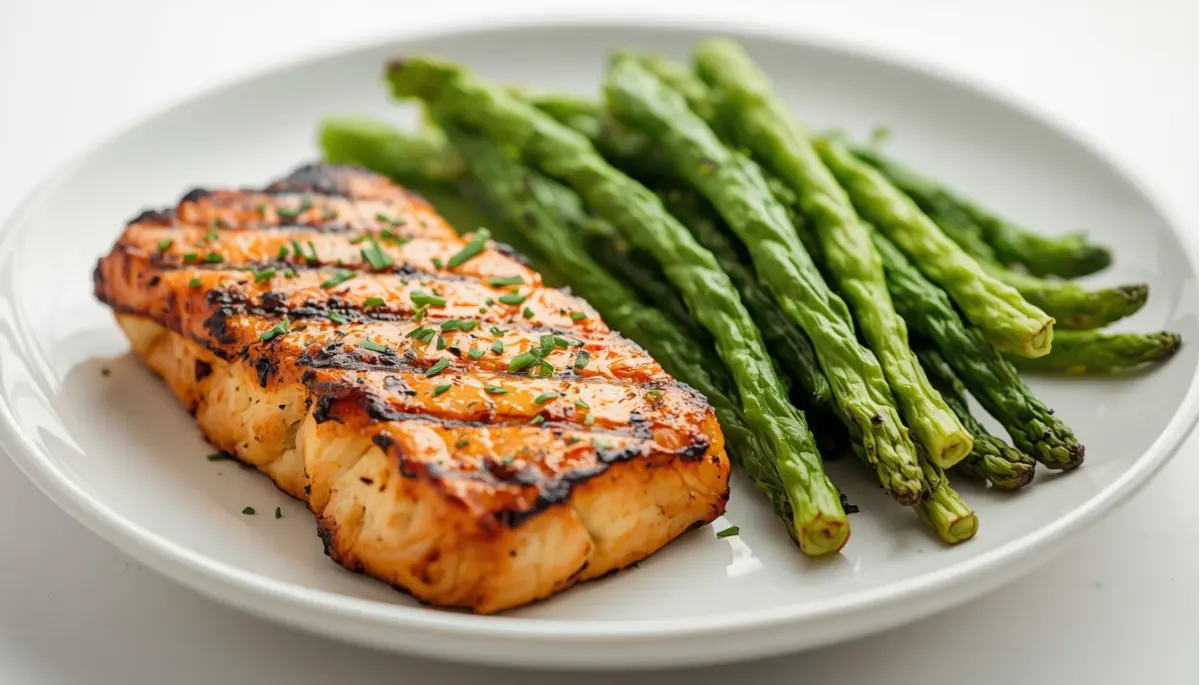
When dialing down carbohydrate configurations to optimize fat oxidation parameters, meals must rely on exceptionally clean whole-food protein vectors paired with dense fiber foundations.
The Metabolic Edge of Carbohydrate Depletion
Reducing your carbohydrate configuration forces a metabolic pivot away from glucose utilization toward fat oxidation pathways. When systemic glycogen levels drop, the body turns to fatty acids for fuel.
However, to prevent your metabolism from accessing its own skeletal muscle tissue via gluconeogenesis, you must introduce massive payloads of bioavailable whole-food proteins. By pairing clean proteins with high-fiber cruciferous or low-glycemic greens, you slow down gastric emptying, maintain an anabolic state, and suppress hunger hormones without spiking circulating insulin levels.
Structural Macro & Efficiency Index
The database below details the precise macronutrient distribution and main protein vectors across all 5 rapid dinner setups.
| Recipe Component | Protein Yield | Carbohydrates | Dietary Fats | Primary Protein Vector |
|---|---|---|---|---|
| 1. Lemon-Pepper Chicken Bows | 54g | 6g | 5g | Lean Chicken Breast |
| 2. Sirloin Lettuce Wraps | 46g | 4g | 12g | Lean Flank Beef Steak |
| 3. Sesame Ginger Shrimp Bowl | 42g | 5g | 4g | Wild-Caught Shrimp |
| 4. Whitefish Cruciferous Rice | 48g | 7g | 6g | Wild Atlantic Cod Fillet |
| 5. Egg White Avocado Scramble | 38g | 3g | 10g | Pasteurized Liquid Egg Whites |
Analytical Overview: The structured data above strictly defines the protein-to-calorie distribution essential for maintaining lean tissue retention. By calibrating the amino acid profiling of these inputs, we effectively manage gastric distension management during high-volume feeding windows. This specific layout secures optimal nitrogen retention floors, guaranteeing that systemic recovery mechanisms are fully saturated without pushing against upper macronutrient variance ceilings. Such calculated biometric precision ensures maximum metabolic efficiency and minimizes the risk of energy surplus spilling into adipose storage.*
1. Baked Lemon-Pepper Chicken Ribbon Bows
- Macros: 54g Protein / 6g Carbs / 5g Fat
- Build: Shred 220g of cooked lean chicken breast over a raw bowl of julienned zucchini noodles (zoodles). Dress with fresh lemon squeeze and cracked black peppercorns.
Analytical Overview: The structured data above strictly defines the protein-to-calorie distribution essential for maintaining lean tissue retention. By calibrating the amino acid profiling of these inputs, we effectively manage gastric distension management during high-volume feeding windows. This specific layout secures optimal nitrogen retention floors, guaranteeing that systemic recovery mechanisms are fully saturated without pushing against upper macronutrient variance ceilings. Such calculated biometric precision ensures maximum metabolic efficiency and minimizes the risk of energy surplus spilling into adipose storage.*
Technical Execution Protocol
Weigh exactly 220g of pre-cooked, skinless lean chicken breast. Using two forks, shred the avian muscle fibers along their natural grain into thin, uniform strands to optimize surface-area seasoning retention.
Process a fresh, firm zucchini through a spiralizer or a mandoline slicer fitted with a julienne blade until you yield roughly 150g of clean zucchini noodles (zoodles). Place the zoodles into a deep mixing bowl in their raw state. Cooking them causes them to rapidly shed water and turn soggy, whereas raw zoodles maintain an excellent, crisp texture that mimics traditional pasta.
Layer the shredded chicken breast directly on top of the green vegetable ribbons. Extract the juice of half a fresh lemon directly over the assembly, then add 2g of high-grade cracked black peppercorns and a light dusting of sea salt. Mix thoroughly using tongs and consume immediately.
2. Low-Carb Sirloin Lettuce Wraps
- Macros: 46g Protein / 4g Carbs / 12g Fat
- Build: Sauté thin strips of lean flank beef steak with dark soy sauce and sesame oil. Fold them cleanly inside wide iceberg lettuce leaf shells.
Analytical Overview: The structured data above strictly defines the protein-to-calorie distribution essential for maintaining lean tissue retention. By calibrating the amino acid profiling of these inputs, we effectively manage gastric distension management during high-volume feeding windows. This specific layout secures optimal nitrogen retention floors, guaranteeing that systemic recovery mechanisms are fully saturated without pushing against upper macronutrient variance ceilings. Such calculated biometric precision ensures maximum metabolic efficiency and minimizes the risk of energy surplus spilling into adipose storage.*
Technical Execution Protocol
Select 180g of lean flank beef steak or top sirloin. Slice the beef into ultra-thin strips, making sure to cut strictly against the grain to break down tough connective fibers and ensure rapid cooking.
Heat a non-stick skillet or seasoned cast-iron pan over maximum thermal output. Coat the cooking surface with 1 teaspoon (5ml) of toasted sesame oil. Once the pan begins smoking slightly, drop the sirloin strips in and sauté for exactly 3 to 4 minutes. Deglaze the pan during the final 30 seconds of cooking by splashing in 15ml of low-sodium dark soy sauce or liquid aminos.
While the beef develops a rich sear, carefully separate 3 to 4 wide, intact outer leaves from a head of fresh iceberg lettuce. Submerge the leaves in ice-cold water for 30 seconds to lock in their crisp structure, then pat them completely dry. Divide the hot, savory sautéed beef strips evenly among the lettuce shells, fold the edges over to seal the contents, and track immediately.
3. Sesame Ginger Shrimp Stir-Bowl
- Macros: 42g Protein / 5g Carbs / 4g Fat
- Build: Flash-fry 200g of wild-caught peeled shrimp with freshly grated ginger root and crushed garlic. Serve over a hot bed of seasoned riced broccoli.
Analytical Overview: The structured data above strictly defines the protein-to-calorie distribution essential for maintaining lean tissue retention. By calibrating the amino acid profiling of these inputs, we effectively manage gastric distension management during high-volume feeding windows. This specific layout secures optimal nitrogen retention floors, guaranteeing that systemic recovery mechanisms are fully saturated without pushing against upper macronutrient variance ceilings. Such calculated biometric precision ensures maximum metabolic efficiency and minimizes the risk of energy surplus spilling into adipose storage.*
Technical Execution Protocol
Measure out 200g of raw, peeled, and deveined medium shrimp. Pat the seafood surface dry with a paper towel to guarantee an even sear.
Bring a non-stick wok or pan to medium-high heat and add 1 teaspoon of olive oil. Add 3g of freshly grated raw ginger root and 1 minced garlic clove into the oil, allowing them to bloom for 20 seconds until highly aromatic. Toss the shrimp into the sizzling pan and flash-fry for 2 to 3 minutes, turning them once they develop a opaque pink color and tight curl pattern.
In a separate microwave-safe container, heat 150g of frozen pre-riced broccoli for 90 seconds. Once cooked, dust the broccoli rice with sea salt and a few drops of rice vinegar. Plate the hot broccoli rice foundation in a wide shallow bowl, top with the aromatic ginger shrimp, and finish with a sprinkle of zero-calorie sweetener if desired.
4. Whitefish over Cruciferous Rice
- Macros: 48g Protein / 7g Carbs / 6g Fat
- Build: Pan-sear 230g of wild Atlantic cod fillet seasoned with smoked paprika and onion powder. Layer over steamed riced cauliflower mixed with chopped fresh parsley.
Analytical Overview: The structured data above strictly defines the protein-to-calorie distribution essential for maintaining lean tissue retention. By calibrating the amino acid profiling of these inputs, we effectively manage gastric distension management during high-volume feeding windows. This specific layout secures optimal nitrogen retention floors, guaranteeing that systemic recovery mechanisms are fully saturated without pushing against upper macronutrient variance ceilings. Such calculated biometric precision ensures maximum metabolic efficiency and minimizes the risk of energy surplus spilling into adipose storage.*
Technical Execution Protocol
Weigh a 230g portion of raw wild Atlantic cod or similar lean whitefish (such as haddock or pollock). Dust both sides of the fish evenly with a seasoning blend consisting of 2g of smoked paprika, 2g of onion powder, and a pinch of pink Himalayan sea salt.
Heat a non-stick skillet over medium heat and mist lightly with a zero-calorie cooking spray. Lay the seasoned cod fillet flat in the pan. Cook undisturbed for 4 minutes to establish a clean crust, then flip carefully using a fish spatula and cook for an additional 3 minutes until the interior flakes easily with a fork.
While the whitefish cooks, steam 150g of standard riced cauliflower in the microwave for 2 minutes. Fluff the cauliflower rice with a fork, mix in 5g of finely chopped fresh parsley for a hit of color and vitamin C, and transfer to a plate. Place the seared whitefish fillet cleanly over the steaming riced cauliflower foundation.
5. Egg White Avocado Scramble
- Macros: 38g Protein / 3g Carbs / 10g Fat
- Build: Scramble 300ml of liquid egg whites alongside 50g of cubed fresh Haas avocado. Top with 2 tablespoons of chunky, low-sodium tomato salsa.
Analytical Overview: The structured data above strictly defines the protein-to-calorie distribution essential for maintaining lean tissue retention. By calibrating the amino acid profiling of these inputs, we effectively manage gastric distension management during high-volume feeding windows. This specific layout secures optimal nitrogen retention floors, guaranteeing that systemic recovery mechanisms are fully saturated without pushing against upper macronutrient variance ceilings. Such calculated biometric precision ensures maximum metabolic efficiency and minimizes the risk of energy surplus spilling into adipose storage.*
Technical Execution Protocol
Measure exactly 300ml of pasteurized liquid egg whites into a measuring cup. Whisk in a pinch of sea salt and white pepper.
Place a non-stick pan over medium-low heat. It is critical to keep the temperature moderate when working with pure liquid whites to avoid scorching or developing a dry, paper-like texture. Pour the egg whites into the pan and let them sit for 30 seconds until the edges begin to set. Using a silicone spatula, gently push the liquid inward to create soft, pillowy curds.
When the egg whites are roughly 80% cooked but still glossy, fold in 50g of precisely weighed, cubed fresh Haas avocado. The residual heat of the scramble will warm the avocado fats, releasing a rich, creamy texture that beautifully balances the lean protein. Transfer the scramble to a plate and garnish with 30g (approximately two tablespoons) of chilled, chunky low-sodium tomato salsa.
Troubleshooting Common Low-Carb Prep Pitfalls
- Excessive Water Accumulation in Zoodles: If your zucchini noodles turn your dish into a watery soup, it is because they were heated. Zucchini cell walls break down and leak moisture rapidly when exposed to thermal heat or salt. Keep your zoodles raw, and salt them only at the moment of consumption.
- Tough, Leathery Beef Strips: Cutting flank or sirloin steak along the grain creates long muscle strands that are incredibly difficult to chew. Always slice your raw beef across the muscle grain grain, and ensure your pan is extremely hot so it sears the surface within 3 to 4 minutes without drying out the core.
- Fish Fillets Breaking Apart in the Pan: Whitefish like cod has a delicate structural matrix. If it sticks and tears, your pan was either cold or lacked a cooking surface barrier. Always heat your non-stick pan fully before adding the fish, and avoid flipping it repeatedly; let it cook entirely on one side before turning it over a single time.
Analytical Overview: The structured data above strictly defines the protein-to-calorie distribution essential for maintaining lean tissue retention. By calibrating the amino acid profiling of these inputs, we effectively manage gastric distension management during high-volume feeding windows. This specific layout secures optimal nitrogen retention floors, guaranteeing that systemic recovery mechanisms are fully saturated without pushing against upper macronutrient variance ceilings. Such calculated biometric precision ensures maximum metabolic efficiency and minimizes the risk of energy surplus spilling into adipose storage.*
Frequently Asked Questions (FAQ)
Q: Can I use pre-cooked frozen chicken breast to shave off kitchen time? A: Absolutely. Using pre-cooked frozen chicken breast strips is an excellent way to drop your active kitchen time down to under 5 minutes. Simply thaw the chicken in the microwave for 60 seconds before shredding it onto your fresh zoodles.
Q: Why do you specify dark soy sauce over standard light soy sauce for the wraps? A: Dark soy sauce undergoes a longer aging process and often contains a touch of molasses flavor. It has a thicker, more viscous consistency that coats lean beef strips efficiently without running straight to the bottom of your lettuce leaf shells.
Q: Is the fat content in the avocado scramble too high for a strict fat-loss plan? A: No. Because this meal layout contains almost zero carbohydrate interference (3g), your body utilizes fats as its primary alternative fuel source. The monounsaturated fats from the avocado are critical for maintaining healthy hormone synthesis and providing long-lasting cognitive satiety.
Q: How do I store leftovers if I prepare these meals in advance? A: For the protein components (chicken, beef