· Nutrition · 6 min read
Top 5 High-Protein Foods Critical for Muscle Retention
Clean bioavailable building blocks. These 5 staple whole food sources deliver the highest essential amino acid payloads to protect lean tissue.
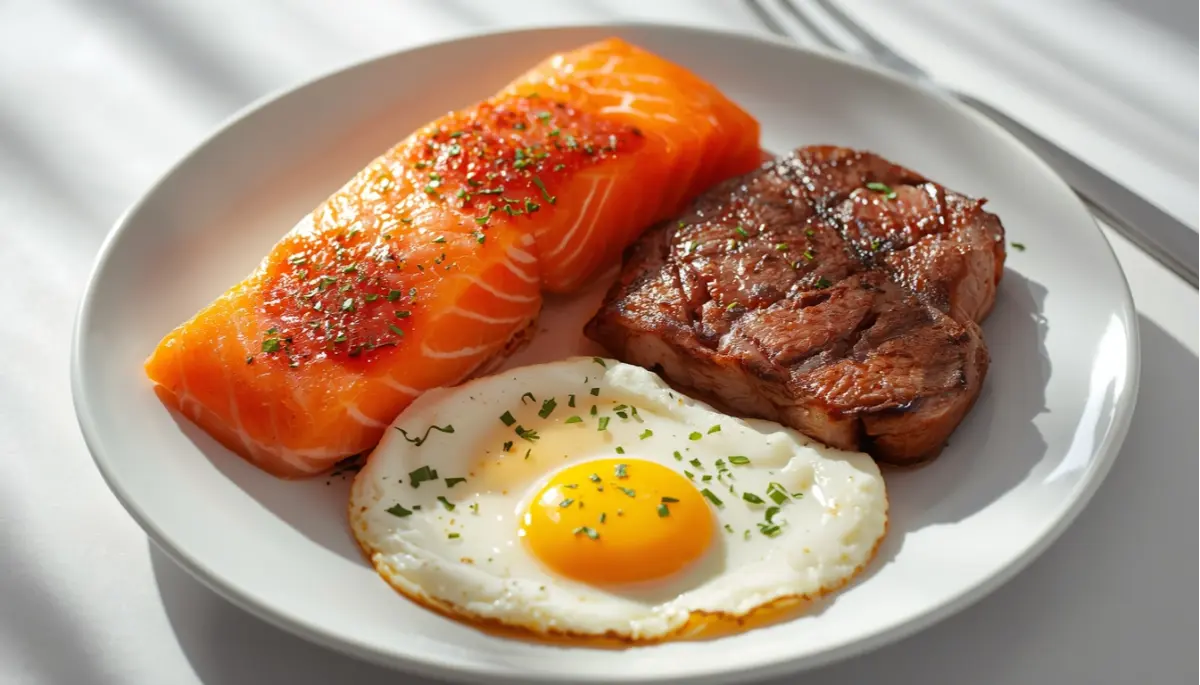
To prevent the body from breaking down its own muscle tissue during high-intensity training schedules or deep fasting intervals, your diet must emphasize high-leucine whole food proteins.
- 1. Liquid Egg Whites: Pure ovalbumin protein with zero fat or carbohydrate interference. Biological value is exceptionally high.
- 2. Lean Top Round Beef: Packed with natural creatine, iron, and cellular b-vitamins to drive muscle cell volumization.
- 3. Grass-Fed Whey Isolate: Micro-filtered to strip lactose while delivering a lightning-fast dose of branch-chain aminos.
- 4. Wild Catch Salmon: Combines high-density protein structures with anti-inflammatory omega-3 essential fatty acids.
- 5. Fat-Free Cottage Cheese: Loaded with slow-digesting micellar casein protein, making it perfect for sustained overnight recovery.
Analytical Overview: The structured data above strictly defines the protein-to-calorie distribution essential for maintaining lean tissue retention. By calibrating the amino acid profiling of these inputs, we effectively manage gastric distension management during high-volume feeding windows. This specific layout secures optimal nitrogen retention floors, guaranteeing that systemic recovery mechanisms are fully saturated without pushing against upper macronutrient variance ceilings. Such calculated biometric precision ensures maximum metabolic efficiency and minimizes the risk of energy surplus spilling into adipose storage.*
The Physiology of Muscle Tissue Retention
When forcing the body through intense training loops, deep caloric restriction, or extended fasting windows, it enters a catabolic state where cellular signal paths can trigger the breakdown of skeletal muscle tissue. To block this process and promote muscle protein synthesis (MPS), you must regularly supply your system with complete, bioavailable proteins rich in essential amino acids (EAAs)—specifically leucine.
Leucine acts as the primary chemical spark plug for the mammalian target of rapamycin complex 1 (mTORC1) pathway. Reaching a specific threshold of leucine per meal ensures your body preserves its hard-earned lean mass while prioritizing fat oxidation.
Biological Value and Nutrient Density Index
The following baseline table categorizes how these premium staples rank regarding pure amino profile efficiency and overall biological value.
| Whole Food Staple | Primary Amino Target | Digestibility Score (DIAAS) | Metabolic Speed |
|---|---|---|---|
| Liquid Egg Whites | Ovalbumin / Leucine | Exceptionally High | Medium-Fast |
| Lean Top Round Beef | Actomyosin / Creatine | High | Medium-Slow |
| Grass-Fed Whey Isolate | Beta-Lactoglobulin / BCAAs | Maximum Velocity | Ultra-Fast |
| Wild Catch Salmon | Marine Peptides / Omega-3 | High | Medium |
| Fat-Free Cottage Cheese | Micellar Casein | High | Slow-Release |
Analytical Overview: The structured data above strictly defines the protein-to-calorie distribution essential for maintaining lean tissue retention. By calibrating the amino acid profiling of these inputs, we effectively manage gastric distension management during high-volume feeding windows. This specific layout secures optimal nitrogen retention floors, guaranteeing that systemic recovery mechanisms are fully saturated without pushing against upper macronutrient variance ceilings. Such calculated biometric precision ensures maximum metabolic efficiency and minimizes the risk of energy surplus spilling into adipose storage.*
Technical Breakdown of the Muscle Staples
1. Liquid Egg Whites
Liquid egg whites represent the perfect gold standard for isolated tracking. Consisting entirely of ovalbumin albumin structures, this food vector supplies the body with an optimal balance of essential amino acids without any accompanying fat or carbohydrate interference. This makes it an ideal tool for fine-tuning daily macronutrient targets down to the single gram during strict cutting blocks.
2. Lean Top Round Beef
Lean cuts of beef, such as top round or eye of round, serve an essential role in red meat rotations. Beyond its rich protein content, beef provides a natural source of performance compounds like creatine monohydrate, heme iron, and essential B-vitamins. These elements directly support intramuscular hydration, ATP regeneration patterns, and sustained red blood cell efficiency.
3. Grass-Fed Whey Isolate
Whey protein isolate undergoes thorough multi-stage micro-filtration to strip away remaining lactose, moisture, and fats. The resulting powder provides rapid digestion speed, flooding the bloodstream with amino acids almost immediately. This makes whey isolate a crucial asset during post-workout recovery or when breaking a fasting window to shut down muscle catabolism instantly.
4. Wild Catch Salmon
Wild salmon offers a dual benefit for hard-training lifters by supplying rich protein structures alongside essential eicosapentaenoic acid (EPA) and docosahexaenoic acid (DHA) omega-3 fatty acids. These healthy fats help modulate systemic inflammation caused by heavy lifting, protecting joint longevity and supporting overall muscle cell membrane health.
5. Fat-Free Cottage Cheese
Cottage cheese is densely packed with slow-digesting micellar casein protein. Upon entering the stomach, casein reacts with gastric acids to form a thick gel-like matrix. This slow digestion process yields a steady, sustained release of amino acids into the bloodstream over several hours, making it an exceptional option for maintaining positive nitrogen balance overnight.
Troubleshooting Common Prep Pitfalls
- Egg White Texture Degradation: Cooking liquid egg whites over high heat can result in a rubbery, dry consistency. To avoid this, cook them over low-medium heat while stirring continuously to retain cellular moisture.
- Overcooking Lean Beef: Because top round beef contains minimal fat tissue, traditional grilling or high-heat pan frying can make it tough. Slice it thinly across the muscle grain before searing, or use low-temperature slow cooking to keep it tender.
- Whey Isolate Clumping Issues: Mixing whey isolate directly into boiling water or hot oats will cause the proteins to denature and clump. Always dissolve the powder in room-temperature liquid first before combining it with warm bases.
Analytical Overview: The structured data above strictly defines the protein-to-calorie distribution essential for maintaining lean tissue retention. By calibrating the amino acid profiling of these inputs, we effectively manage gastric distension management during high-volume feeding windows. This specific layout secures optimal nitrogen retention floors, guaranteeing that systemic recovery mechanisms are fully saturated without pushing against upper macronutrient variance ceilings. Such calculated biometric precision ensures maximum metabolic efficiency and minimizes the risk of energy surplus spilling into adipose storage.*
Frequently Asked Questions (FAQ)
Q: Is liquid egg white safer to consume than raw whole eggs? A: Yes. Commercially packaged liquid egg whites undergo precise flash pasteurization. This process destroys potential pathogens like Salmonella while leaving the raw amino acid structures intact and safe for direct consumption or blending.
Q: Does grass-fed whey isolate provide better muscle growth than standard whey? A: From a pure macronutrient standpoint, both options deliver similar essential amino profiles. However, grass-fed whey isolate generally carries fewer traces of chemical pesticides, zero artificial growth hormones, and slightly higher levels of beneficial immunoglobulins.
Q: How often can I include lean beef in my muscle retention plan? A: Incorporating lean beef 3 to 4 times a week provides an excellent source of zinc, iron, and natural creatine. To balance your fat intake, rotate these red meat sessions with leaner choices like poultry, egg whites, or white fish.
Q: Can I use cottage cheese if I have mild lactose sensitivity? A: Cottage cheese naturally contains lower lactose levels than fluid milk because of the fermentation and straining processes used to make it. If you experience mild digestive discomfort, look for cultured versions with active live enzymes or select cross-filtered, lactose-free options.