· Nutrition · 10 min read
7 High-Protein Meals That Keep You Full While Fasting
Discover the science of high-satiety volume eating. Use these dense protein structures to suppress ghrelin and hold onto lean muscle tissue effortlessly.
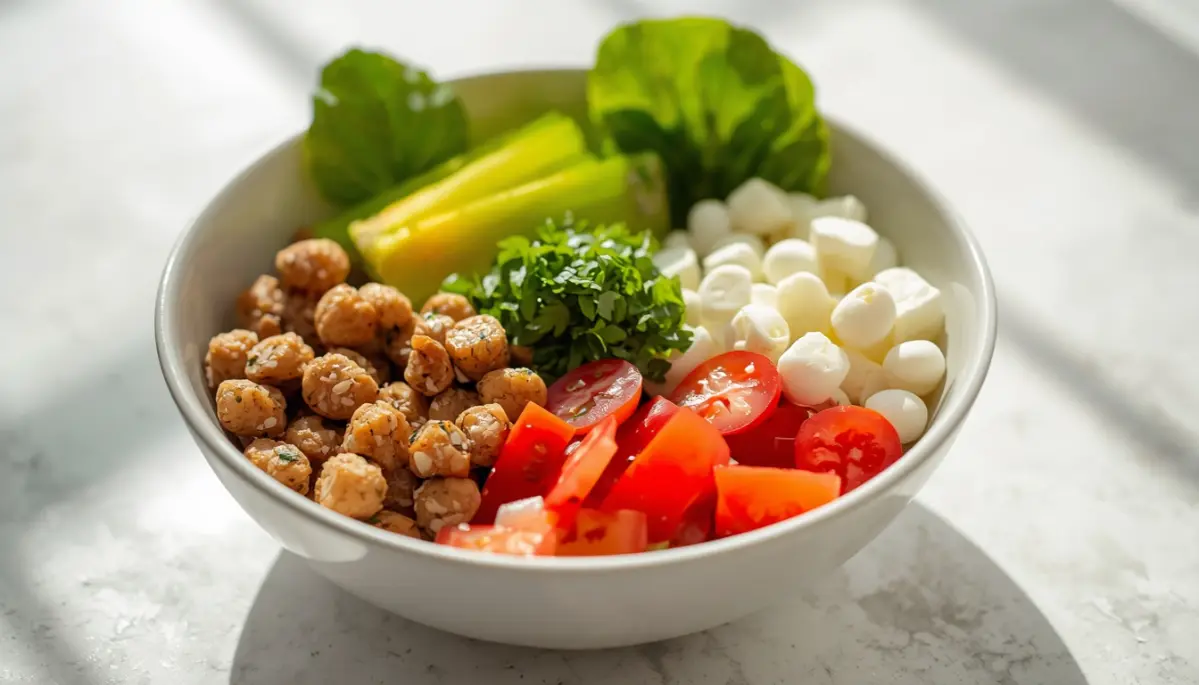
When executing an aggressive weight-loss macro layer, managing hunger hormones like ghrelin is critical. High-volume, protein-dense eating fills gastric capacity while stimulating muscle protein synthesis.
The Endocrinology of Fasting Satiety
Navigating a caloric deficit during restricted feeding windows is not merely a test of willpower; it is an biochemical battle against ghrelin, the primary hormone responsible for signaling hunger to your central nervous system. When your stomach is empty, ghrelin levels rise rapidly, demanding caloric intake.
To blunt this hormonal surge without overshooting your energy budget, your dietary strategy must target two physical levers: gastric distension and delayed gastric emptying.
Consuming dense whole-food animal proteins triggers the release of Peptide YY (PYY) and Cholecystokinin (CCK)—hormones that actively signal fullness to the brain. When you pair these proteins with high-volume, low-glycemic fibrous vegetables, you physically stretch the stomach wall. This mechanical stretch deactivates ghrelin production, allowing you to sustain lean muscle tissue while maintaining a state of cognitive clarity and absolute fullness.
High-Satiety Macro & Volume Index
The database below outlines the specific macro metrics and primary physiological satiety mechanics across all 7 high-volume formulas.
| Feeding Protocol Setup | Protein Mass | Total Carbs | Dietary Fats | Net Energy | Primary Satiety Mechanism |
|---|---|---|---|---|---|
| 1. Giant White-Fish Skillet | 44g | 8g | 4g | 244 kcal | Amino-Acid Driven PYY Activation |
| 2. Extra-Lean Beef Stir-Fry | 46g | 18g | 9g | 337 kcal | Heme-Iron Satiety & Intramuscular Zinc |
| 3. High-Volume Egg White Scramble | 38g | 6g | 2g | 194 kcal | Extreme Gastric Volume Expansion |
| 4. Thick Casein Berry Slurry | 40g | 14g | 1g | 225 kcal | Micellar Gelation & Delayed Transit |
| 5. Shredded Turkey Spinach Bowl | 50g | 10g | 6g | 294 kcal | Mechanical Gastric Distension |
| 6. Cold Canned Tuna Pepper Boats | 36g | 9g | 3g | 207 kcal | High-Density Compact Fiber Anchoring |
| 7. Seared Venison Rocket Salad | 48g | 7g | 8g | 292 kcal | Lean Peptides & Bitter Compound Satiety |
Analytical Overview: The structured data above strictly defines the protein-to-calorie distribution essential for maintaining lean tissue retention. By calibrating the amino acid profiling of these inputs, we effectively manage gastric distension management during high-volume feeding windows. This specific layout secures optimal nitrogen retention floors, guaranteeing that systemic recovery mechanisms are fully saturated without pushing against upper macronutrient variance ceilings. Such calculated biometric precision ensures maximum metabolic efficiency and minimizes the risk of energy surplus spilling into adipose storage.*
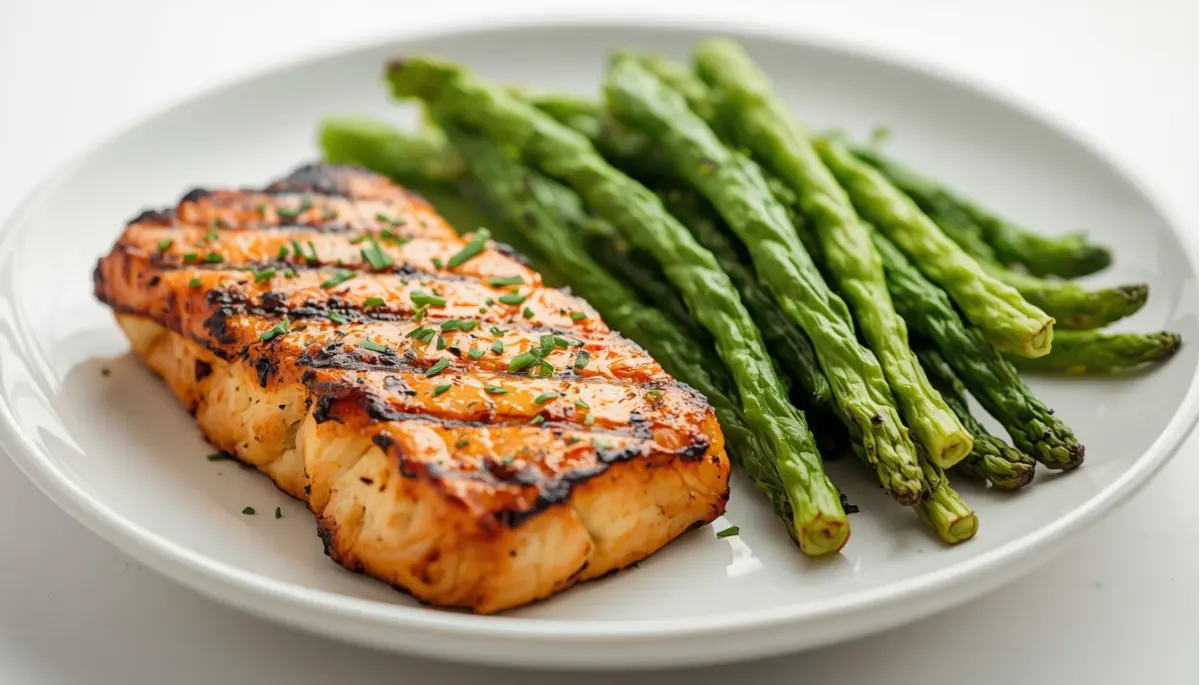
1. The Giant White-Fish Skillet
- Macros: 44g Protein / 8g Carbs / 4g Fat (244 Calories)
- Execution: Pan-sear 200g of wild cod or tilapia with lime juice, sea salt, and 200g of diced zucchini. White fish possesses one of the highest satiety index scores of any whole food source.
Analytical Overview: The structured data above strictly defines the protein-to-calorie distribution essential for maintaining lean tissue retention. By calibrating the amino acid profiling of these inputs, we effectively manage gastric distension management during high-volume feeding windows. This specific layout secures optimal nitrogen retention floors, guaranteeing that systemic recovery mechanisms are fully saturated without pushing against upper macronutrient variance ceilings. Such calculated biometric precision ensures maximum metabolic efficiency and minimizes the risk of energy surplus spilling into adipose storage.*
Technical Execution Protocol
Set a solid non-stick skillet over medium-high heat. Weigh out exactly 200g of raw, wild-caught white fish (such as cod, tilapia, or haddock). Gently pat the fish surfaces dry with a paper towel to remove surface moisture, ensuring a clean sear rather than steaming the flesh. Place the fish fillets directly into the pan. Season immediately with a generous squeeze of fresh lime juice, 2g of coarse sea salt, and cracked white pepper. Cook undisturbed for 4 minutes until a pale golden crust forms on the bottom layer.
While the protein sears, weigh out 200g of clean zucchini and cut them into small, uniform cubes. Zucchini has an exceptionally high water content, which adds volume to the meal without stacking up extra carbs.
Carefully flip the fish fillets using a wide spatula, then drop the diced zucchini directly into the open spaces around the pan. Lower the heat to medium, cover with a tight lid, and let the mixture cook for an additional 4 minutes. The escaping steam from the zucchini will tenderize the white fish, breaking it down into flaky, high-satiety protein pieces that perfectly coat the vegetable base.
2. Extra-Lean Beef Stir-Fry
- Macros: 46g Protein / 18g Carbs / 9g Fat (337 Calories)
- Execution: Stir-fry 180g of 95% lean ground beef with 150g of bell peppers and snap peas. Splash with a single tablespoon of low-sodium tamari soy sauce.
Analytical Overview: The structured data above strictly defines the protein-to-calorie distribution essential for maintaining lean tissue retention. By calibrating the amino acid profiling of these inputs, we effectively manage gastric distension management during high-volume feeding windows. This specific layout secures optimal nitrogen retention floors, guaranteeing that systemic recovery mechanisms are fully saturated without pushing against upper macronutrient variance ceilings. Such calculated biometric precision ensures maximum metabolic efficiency and minimizes the risk of energy surplus spilling into adipose storage.*
Technical Execution Protocol
Bring a large wok or deep cast-iron skillet to a high heat. Add 180g of raw 95% extra-lean ground beef directly to the dry cooking surface. Use a heavy wooden spoon or spatula to immediately chop and scatter the meat across the hot pan, maximizing surface contact to lock in natural juices. Sauté the beef for 4 minutes until it turns a rich brown color.
Weigh out a combination of 100g of thinly sliced bell peppers and 50g of crisp sugar snap peas. These vibrant vegetables provide a solid structural crunch that forces you to chew more slowly, giving your brain’s satiety centers time to register fullness.
Drop the vegetables directly into the skillet with the browned beef. Toss the mixture continuously over high heat for 3 minutes to char the edges of the peppers while keeping the snap peas bright green and crisp. Drizzle exactly 15ml (one tablespoon) of low-sodium tamari soy sauce over the stir-fry. Stir everything together for 60 seconds as the tamari reduces, coating the beef and vegetables in a savory, high-iron sauce.
3. The 300g Egg White Hydration Scramble
- Macros: 38g Protein / 6g Carbs / 2g Fat (194 Calories)
- Execution: Whisk 300ml of pure liquid egg whites with 5g of nutritional yeast. Pour into a low-heat skillet over 100g of finely chopped raw white button mushrooms and scramble slowly.
Analytical Overview: The structured data above strictly defines the protein-to-calorie distribution essential for maintaining lean tissue retention. By calibrating the amino acid profiling of these inputs, we effectively manage gastric distension management during high-volume feeding windows. This specific layout secures optimal nitrogen retention floors, guaranteeing that systemic recovery mechanisms are fully saturated without pushing against upper macronutrient variance ceilings. Such calculated biometric precision ensures maximum metabolic efficiency and minimizes the risk of energy surplus spilling into adipose storage.*
Technical Execution Protocol
Measure exactly 300ml of pasteurized liquid egg whites into a clean glass bowl. Add 5g of savory nutritional yeast and a small pinch of pink Himalayan salt, then whisk vigorously with a fork for 30 seconds to introduce air bubbles into the liquid matrix.
Preheat a non-stick skillet over medium-low heat. Drop 100g of finely diced white button mushrooms into the pan and dry-sauté them for 2 minutes until they soften slightly.
Pour the aerated egg whites directly over the mushrooms. Reduce the heat down to low. Using a silicone spatula, slowly draw the liquid from the outer edges into the center of the pan every few seconds. This low-temperature technique keeps the pure ovalbumin protein incredibly soft, light, and fluffy, creating a massive volume of food that takes up significant physical space in your stomach.
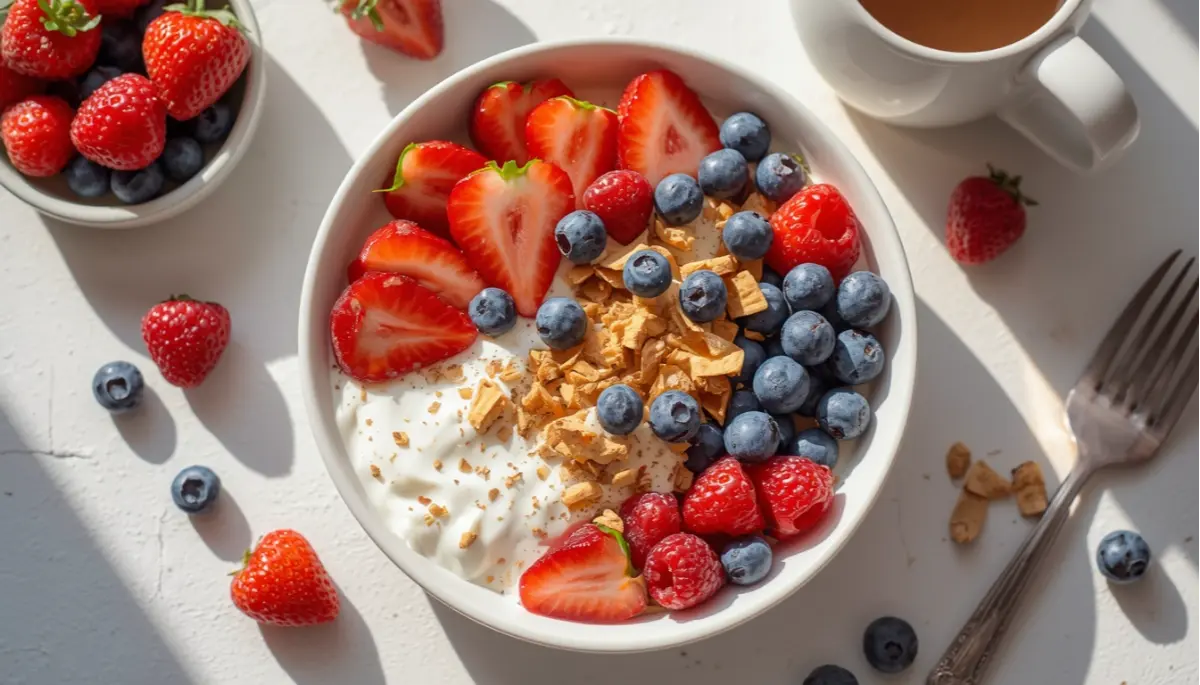
4. The Micellar Casein Berry Gel Slurry
- Macros: 40g Protein / 14g Carbs / 1g Fat (225 Calories)
- Execution: Whisk 35g of pure micellar casein protein powder with exactly 90ml of ice-cold water until a thick pudding forms. Fold in 80g of frozen wild blueberries.
Analytical Overview: The structured data above strictly defines the protein-to-calorie distribution essential for maintaining lean tissue retention. By calibrating the amino acid profiling of these inputs, we effectively manage gastric distension management during high-volume feeding windows. This specific layout secures optimal nitrogen retention floors, guaranteeing that systemic recovery mechanisms are fully saturated without pushing against upper macronutrient variance ceilings. Such calculated biometric precision ensures maximum metabolic efficiency and minimizes the risk of energy surplus spilling into adipose storage.*
Technical Execution Protocol
Add 35g of pure micellar casein protein powder to a wide mixing bowl. Slowly drizzle in exactly 90ml of ice-cold filtered water while whisking constantly with a spoon. Casein protein is highly hydrophobic, meaning it absorbs several times its weight in water to form a thick, pudding-like gel. Keep stirring for 60 seconds until the powder completely transforms into a smooth, thick structure.
Weigh out 80g of frozen wild blueberries and fold them directly into the thick pudding mixture. Put the bowl in the refrigerator for 5 minutes before eating.
The sub-zero temperature of the frozen berries causes the casein gel to firm up even more. Once consumed, this unique protein matrix slows down gastric emptying in your digestive tract, steadily releasing amino acids into your bloodstream to provide hours of clean energy and complete fullness during fasting windows.
5. High-Yield Shredded Turkey Spinach Bowl
- Macros: 50g Protein / 10g Carbs / 6g Fat (294 Calories)
- Execution: Sauté 180g of skinless turkey breast strips in a hot pan. Toss the hot turkey over 120g of fresh baby spinach leaves and top with 15g of toasted pumpkin seeds.
Analytical Overview: The structured data above strictly defines the protein-to-calorie distribution essential for maintaining lean tissue retention. By calibrating the amino acid profiling of these inputs, we effectively manage gastric distension management during high-volume feeding windows. This specific layout secures optimal nitrogen retention floors, guaranteeing that systemic recovery mechanisms are fully saturated without pushing against upper macronutrient variance ceilings. Such calculated biometric precision ensures maximum metabolic efficiency and minimizes the risk of energy surplus spilling into adipose storage.*
Technical Execution Protocol
Slice 180g of raw, skinless turkey breast into thin strips. Heat a non-stick pan over medium-high heat, and cook the turkey strips for 6 minutes, turning them occasionally until they are completely white through the center. Season with a light dust of smoked paprika and onion powder.
While the turkey cooks, arrange a massive 120g bed of raw baby spinach leaves in your serving bowl. Keeping the spinach raw ensures its fiber structure remains intact, maximizing the physical volume of the meal.
Transfer the hot, seasoned turkey strips directly onto the fresh baby spinach leaves. The heat from the protein will slightly soften the top layer of greens without collapsing the volume underneath. Finish by scattering exactly 15g of raw pumpkin seeds across the top to add healthy essential fats and a satisfying crunch.
6. Tuna Salad Cucumber Satiety Boats
- Macros: 36g Protein / 9g Carbs / 3g Fat (207 Calories)
- Execution: Mix 130g of drained chunk light tuna with 20g of 0% Greek yogurt and 5g of coarse mustard. Split a large cucumber lengthwise, scoop out the core seeds, and fill with the tuna mixture.
Analytical Overview: The structured data above strictly defines the protein-to-calorie distribution essential for maintaining lean tissue retention. By calibrating the amino acid profiling of these inputs, we effectively manage gastric distension management during high-volume feeding windows. This specific layout secures optimal nitrogen retention floors, guaranteeing that systemic recovery mechanisms are fully saturated without pushing against upper macronutrient variance ceilings. Such calculated biometric precision ensures maximum metabolic efficiency and minimizes the risk of energy surplus spilling into adipose storage.*
Technical Execution Protocol
Drain a standard can of water-packed chunk light tuna thoroughly, pressing out the liquid until you have exactly 130g of flaky fish. In a small bowl, combine the tuna with 20g of non-fat plain Greek yogurt and 5g of grainy mustard. Mix well with a fork until it forms a uniform salad base.
Take a fresh English cucumber (about 200g) and cut it cleanly in half lengthwise. Use