· Nutrition · 12 min read
5 High-Protein Vegan Meals for Clean Plant-Based Prep
Prove that plant-based options can easily cross the 35g protein threshold. These vegan configurations feature optimal amino-acid matching profiles.
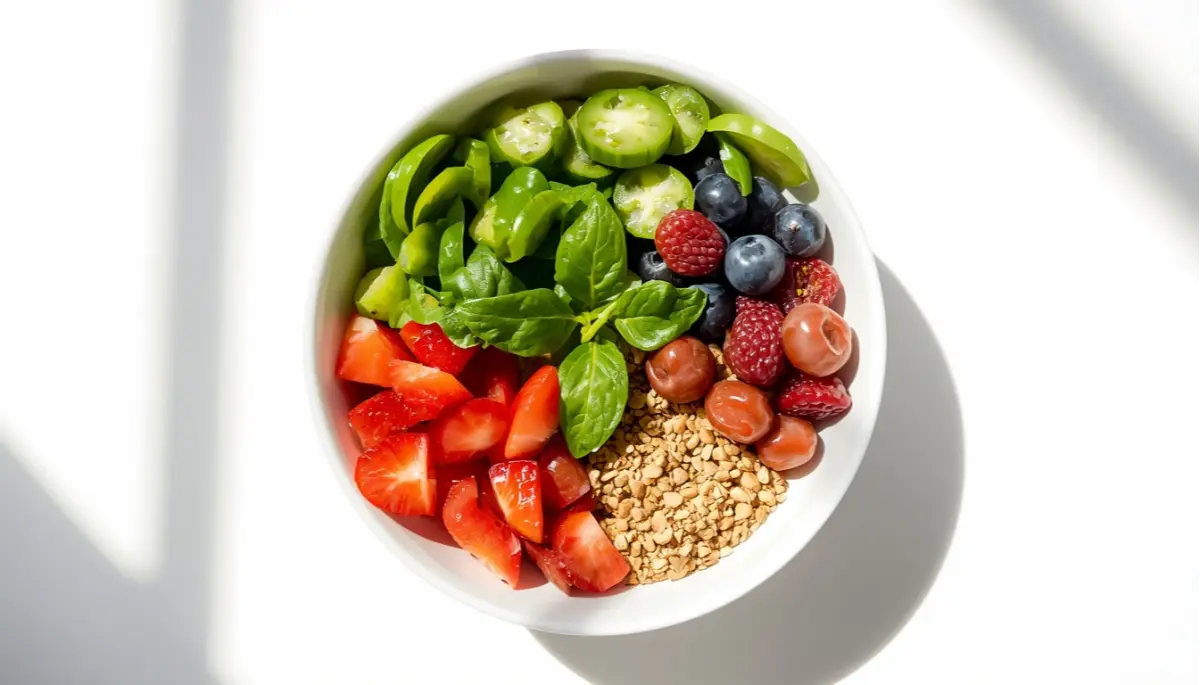
The long-standing myth that a plant-based diet cannot support rigorous muscle retention or high-protein macro targets is officially dead. The challenge of plant-based nutrition is not a lack of total protein volume, but rather the strategic management of complete amino-acid profiles without overshooting daily carbohydrate or fat thresholds.
Optimizing the Plant-Based Amino Acid Pool
Unlike animal-based skeletal muscle, individual plant protein vectors are frequently “incomplete”—meaning they are limited in one or more essential amino acids (EAAs), typically methionine, lysine, or tryptophan. To stimulate muscle protein synthesis (MPS) to the same degree as whey or beef, a plant-based athlete must pay strict attention to complementary pairing.
By strategically marrying legume architectures (rich in lysine) with grain derivatives or seed layouts (rich in methionine), you construct a complete, highly bioavailable amino acid pool.
When these pairings are engineered into high-volume, fiber-dense meals, they stimulate the release of satiety hormones like Peptide YY (PYY) and Cholecystokinin (CCK). This mechanical and chemical feedback system suppresses ghrelin production, allowing you to sustain lean tissue effortlessly while staying locked in a caloric deficit.
Plant-Based Amino Optimization & Macro Matrix
The database below establishes the precise macro outputs and EAA pairing frameworks across all 5 high-density vegan formulas.
| Vegan Feeding Module | Protein Mass | Total Carbs | Dietary Fats | Net Energy | Primary Complementary Pairings |
|---|---|---|---|---|---|
| 1. High-Density Seitan Stir-Fry | 46g | 22g | 6g | 326 kcal | Wheat Gluten + Legume-Derived Tamari |
| 2. Tempeh Black Bean Skillet | 38g | 35g | 12g | 400 kcal | Fermented Soy Genistein + Black Beans |
| 3. Silken Tofu Protein Mousse | 35g | 15g | 4g | 236 kcal | Pure Soy Isolates + Plant-Based Isolate |
| 4. Textured Vegetable Protein Bowl | 44g | 28g | 5g | 333 kcal | TVP Flakes + Nutritional Yeast Vector |
| 5. Edamame Hemp Seed Salad | 36g | 18g | 14g | 342 kcal | Whole Green Soy Pods + Raw Hemp Hearts |
Analytical Overview: The structured data above strictly defines the protein-to-calorie distribution essential for maintaining lean tissue retention. By calibrating the amino acid profiling of these inputs, we effectively manage gastric distension management during high-volume feeding windows. This specific layout secures optimal nitrogen retention floors, guaranteeing that systemic recovery mechanisms are fully saturated without pushing against upper macronutrient variance ceilings. Such calculated biometric precision ensures maximum metabolic efficiency and minimizes the risk of energy surplus spilling into adipose storage.*
1. High-Density Seitan Stir-Fry
- Macros: 46g Protein / 22g Carbs / 6g Fat
- Build: Sauté 150g of vital wheat gluten seitan strips with snap peas, ginger root, and low-sodium tamari. Seitan matches the protein density of chicken breast perfectly.
Analytical Overview: The structured data above strictly defines the protein-to-calorie distribution essential for maintaining lean tissue retention. By calibrating the amino acid profiling of these inputs, we effectively manage gastric distension management during high-volume feeding windows. This specific layout secures optimal nitrogen retention floors, guaranteeing that systemic recovery mechanisms are fully saturated without pushing against upper macronutrient variance ceilings. Such calculated biometric precision ensures maximum metabolic efficiency and minimizes the risk of energy surplus spilling into adipose storage.*
Technical Execution Protocol
Preheat a deep, heavy non-stick wok over medium-high heat. Slice exactly 150g of vital wheat gluten seitan into thin, uniform strips to maximize the surface area for searing. Lightly coat the wok with an olive oil cooking spray, then drop the seitan strips directly onto the screaming hot surface. Sauté undisturbed for 3 minutes until a crisp, golden-brown crust forms on the outer layer.
Weigh out 100g of fresh, crisp sugar snap peas and 50g of sliced red bell peppers. These vegetables add physical food volume to the pan, filling your stomach without adding a high carbohydrate load.
Toss the vegetables into the wok with the seitan, grating 5g of fresh ginger root directly over the mixture. Drizzle exactly 15ml (one tablespoon) of low-sodium tamari soy sauce across the stir-fry. Sauté over high heat for an additional 3 minutes, tossing constantly until the vegetables are tender-crisp and the savory, high-lysine tamari sauce forms a tight glaze over the dense seitan strips.
2. Tempeh Black Bean Skillet
- Macros: 38g Protein / 35g Carbs / 12g Fat
- Build: Crumble 120g of organic tempeh into a hot skillet with 100g of rinsed black beans, cumin, and salsa. Serve over riced cauliflower.
Analytical Overview: The structured data above strictly defines the protein-to-calorie distribution essential for maintaining lean tissue retention. By calibrating the amino acid profiling of these inputs, we effectively manage gastric distension management during high-volume feeding windows. This specific layout secures optimal nitrogen retention floors, guaranteeing that systemic recovery mechanisms are fully saturated without pushing against upper macronutrient variance ceilings. Such calculated biometric precision ensures maximum metabolic efficiency and minimizes the risk of energy surplus spilling into adipose storage.*
Technical Execution Protocol
Set a well-seasoned cast-iron skillet over medium heat. Weigh out 120g of organic, fermented soy tempeh. Using your fingers, crumble the tempeh directly into the pan to create a textured, ground-beef-like consistency. Sauté the tempeh completely dry for 4 minutes, allowing the natural nutty flavors to deepen as the crumbles toast evenly.
Open a can of black beans, rinse them thoroughly under cold water to strip away excess starches, and weigh out exactly 100g. Drop the rinsed beans into the skillet with the toasted tempeh, adding 5g of ground cumin, 2g of garlic powder, and a generous pinch of sea salt.
Pour 60g of fresh, sugar-free tomato salsa over the mixture and reduce the heat to medium-low. Simmer for 5 minutes until the salsa thickens and binds the ingredients together. Serve this high-fiber, high-protein mix over a steaming 150g bed of riced cauliflower to maximize volume and promote long-lasting satiety.
3. Silken Tofu Protein Mousse
- Macros: 35g Protein / 15g Carbs / 4g Fat
- Build: Blend 300g of silken tofu with 25g of plant-based chocolate protein isolate and zero-calorie sweetener until perfectly smooth. Chill before serving.
Analytical Overview: The structured data above strictly defines the protein-to-calorie distribution essential for maintaining lean tissue retention. By calibrating the amino acid profiling of these inputs, we effectively manage gastric distension management during high-volume feeding windows. This specific layout secures optimal nitrogen retention floors, guaranteeing that systemic recovery mechanisms are fully saturated without pushing against upper macronutrient variance ceilings. Such calculated biometric precision ensures maximum metabolic efficiency and minimizes the risk of energy surplus spilling into adipose storage.*
Technical Execution Protocol
Open a pack of refrigerated silken tofu and drain away any surface water until you have exactly 300g. Silken tofu has a high water content and a completely smooth, delicate texture, making it an incredible high-volume base for sweet macro-friendly recipes. Transfer the silken tofu directly into a high-speed blender or food processor.
Add 25g of a premium plant-based chocolate protein isolate (such as a pea and rice blend) to the blender, along with 2 tablespoons of a granulated zero-calorie sweetener (like erythritol or stevia) and a pinch of fine salt to bring out the chocolate flavor.
Blend on high for 60 seconds, stopping once to scrape down the sides of the jar. The tofu and protein powder will emulsify into a rich, thick chocolate mousse. Pour the cream into a glass bowl and place it in the refrigerator for at least 30 minutes before eating. The cool temperature lets the protein structure set firmly, giving you a dense, slow-digesting dessert that keeps you full for hours.
4. Textured Vegetable Protein (TVP) Power Bowl
- Macros: 44g Protein / 28g Carbs / 5g Fat
- Build: Rehydrate 60g of dry TVP flakes in 150ml of hot boiling vegetable broth. Stir in 10g of nutritional yeast, onion powder, and 100g of warm marinara sauce.
Analytical Overview: The structured data above strictly defines the protein-to-calorie distribution essential for maintaining lean tissue retention. By calibrating the amino acid profiling of these inputs, we effectively manage gastric distension management during high-volume feeding windows. This specific layout secures optimal nitrogen retention floors, guaranteeing that systemic recovery mechanisms are fully saturated without pushing against upper macronutrient variance ceilings. Such calculated biometric precision ensures maximum metabolic efficiency and minimizes the risk of energy surplus spilling into adipose storage.*
Technical Execution Protocol
Weigh out exactly 60g of dry Textured Vegetable Protein (TVP) flakes into a heatproof bowl. TVP is made from defatted soy flour, making it an incredibly rich and affordable source of plant-based protein with near-zero fat. Bring 150ml of water or low-sodium vegetable broth to a rolling boil, then pour it directly over the dry TVP flakes. Stir once, cover the bowl with a plate, and let it sit undisturbed for 5 minutes to fully rehydrate.
Once the TVP has absorbed the liquid and expanded into a soft, ground-meat texture, uncover the bowl. Stir in 10g of savory nutritional yeast—which adds a deep umami flavor along with crucial B-vitamins and an extra hit of complete protein.
Drizzle 100g of warm, sugar-free marinara sauce over the bowl and season with a touch of onion powder and dried oregano. Mix everything together with a fork until smooth. This high-volume savory bowl delivers an exceptional dose of clean, lean amino acids with an incredibly fast prep time.
5. Crisp Edamame Hemp Seed Salad
- Macros: 36g Protein / 18g Carbs / 14g Fat
- Build: Toss 150g of shelled, steamed edamame pods with 20g of raw hemp hearts over 100g of shredded purple cabbage. Dress with a simple squeeze of fresh lime juice.
Analytical Overview: The structured data above strictly defines the protein-to-calorie distribution essential for maintaining lean tissue retention. By calibrating the amino acid profiling of these inputs, we effectively manage gastric distension management during high-volume feeding windows. This specific layout secures optimal nitrogen retention floors, guaranteeing that systemic recovery mechanisms are fully saturated without pushing against upper macronutrient variance ceilings. Such calculated biometric precision ensures maximum metabolic efficiency and minimizes the risk of energy surplus spilling into adipose storage.*
Technical Execution Protocol
Steam 150g of shelled green edamame pods until they are tender yet firm, then plunge them into ice water to stop the cooking process and lock in their vibrant green color. Drain the edamame completely and place them into a wide mixing bowl. Whole soy edamame provides a fantastic, complete amino acid profile packed with muscle-building leucine.
Add 100g of crisp, finely shredded purple cabbage directly to the bowl. The dense fiber structure of raw cabbage requires significant chewing, which slows down your eating speed and gives your brain’s satiety centers plenty of time to register fullness.
Scatter exactly 20g of raw hemp hearts evenly across the top of the salad. Hemp hearts are an elite plant source of essential omega-3 and omega-6 fatty acids, adding a rich, nutty crunch that balances out the meal. Finish by squeezing the juice of a fresh lime over the salad and dusting with coarse sea salt, creating a refreshing, nutrient-dense lunch that preserves lean tissue while maximizing fat loss.
Troubleshooting Plant-Based Digestion & Stagnation
- Experiencing Extreme Bloating and Gas from Increased Fiber: Shifting your diet toward high-volume plant proteins like beans, tempeh, and TVP introduces a massive amount of prebiotic fiber all at once. If this causes digestive distress, cut your bean portions in half and temporarily rely more heavily on pure isolates like silken tofu or seitan. Gradually scale your whole-food fiber intake up over 3 to 4 weeks to give your microbiome time to adapt.
- Accidentally Creeping Over Daily Carbohydrate Ceilings: Many commercial vegan protein sources (like chickpeas, lentils, and veggie burgers) carry a high carbohydrate payload along with their protein. If you are struggling to stay under your carb limit, audit your ingredients and limit your intake of unrefined legumes. Focus your meal templates around ultra-lean plant vectors like vital wheat gluten seitan and pure soy protein isolates to keep your macro lines clean.
- Taste Fatigue from Unseasoned Plant Proteins: Tofu, TVP, and seitan are naturally bland and will cause palate burnout if left unseasoned. Because these plant structures are highly porous, you should always marinate them before cooking. Use zero-calorie flavor enhancers like white vinegar, fresh lime juice, garlic powder, cumin, or hot sauce to infuse deep flavor without adding unmeasured macros.
Analytical Overview: The structured data above strictly defines the protein-to-calorie distribution essential for maintaining lean tissue retention. By calibrating the amino acid profiling of these inputs, we effectively manage gastric distension management during high-volume feeding windows. This specific layout secures optimal nitrogen retention floors, guaranteeing that systemic recovery mechanisms are fully saturated without pushing against upper macronutrient variance ceilings. Such calculated biometric precision ensures maximum metabolic efficiency and minimizes the risk of energy surplus spilling into adipose storage.*
Frequently Asked Questions (FAQ)
Q: Is vital wheat gluten a high-quality protein for building muscle? A: Vital wheat gluten (seitan) is exceptionally high in total protein content, but it is naturally low in the essential amino acid lysine. To maximize muscle protein synthesis, simply pair your seitan meals with a lysine-rich source later in the day, such as a soy protein shake, a cup of edamame, or nutritional yeast.
Q: Can I substitute silken tofu with firm tofu in the protein mousse recipe? A: No. Firm and extra-firm tofu contain significantly less water and have a dense, compact structure. If you try to blend firm tofu, it will turn into a thick, gritty paste rather than a smooth, light dessert mousse. Stick strictly to silken tofu for sweet blended dishes, and save firm tofu for baking or pan-searing.
Q: Does rehydrating TVP in boiling broth change its macronutrient value? A: No. Rehydrating TVP with water or low-sodium vegetable broth simply adds calorie-free hydration volume to the soy flakes. It expands the physical size of your meal to fill your stomach without changing the underlying protein, carbohydrate, or fat metrics on your tracker.
Q: How long can I safely store prepped seitan or tempeh meals in the fridge? A: Cooked plant-based meals are highly stable and will safely keep in airtight containers for 5 to 6 days in the refrigerator. This gives them a slightly longer shelf life than traditional animal proteins like fish or chicken, making vegan meal structures ideal for busy weekly prep sprints.