· Meal Prep · 10 min read
4 One-Pot High-Protein Meals for Instant Kitchen Cleanup
Minimize your post-cooking labor footprint. These unified single-pan recipes deliver over 40g of protein with almost zero clean-up time.
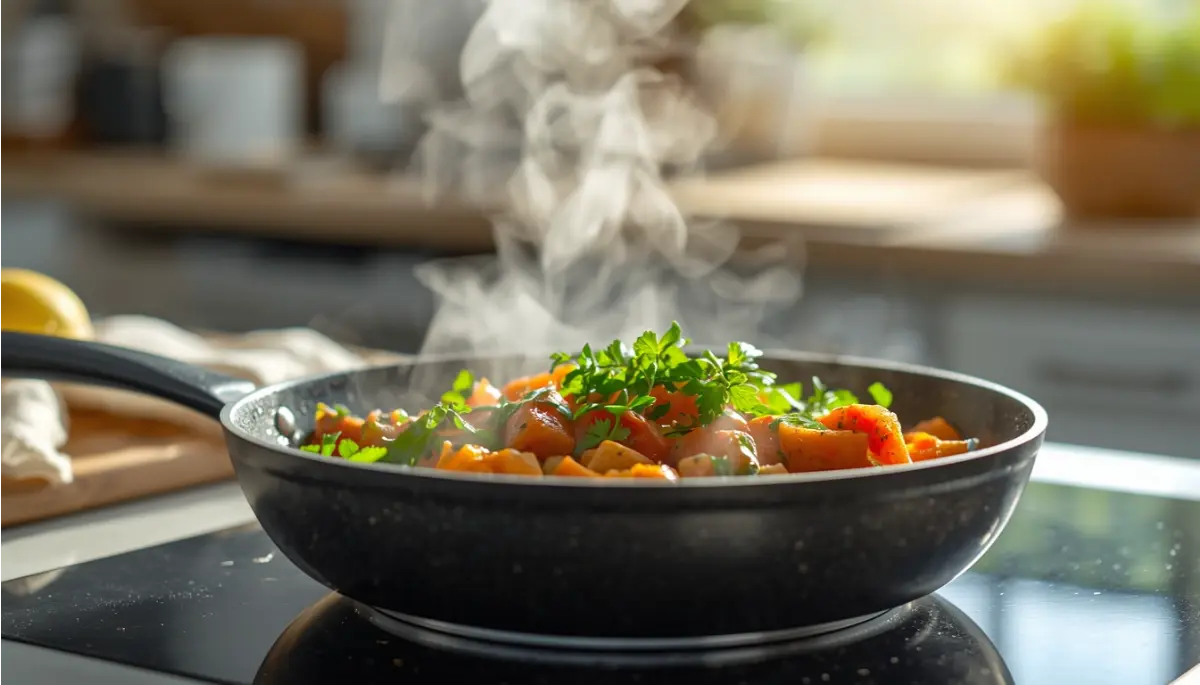
The absolute efficiency of a macro tracking schedule hinges on reducing operational friction. If kitchen cleanup takes 45 minutes, consistency drops. These one-pot setups maximize yield while minimizing appliance usage.
The Frictionless Kitchen Philosophy
Consistency in a strict nutritional regimen is directly tied to the complexity of your post-cooking clean-up loop. High-intensity professionals frequently drop their macro tracking habits not because the cooking process itself is overly complex, but because managing multiple pots, pans, and blenders introduces too much operational friction after a long workday.
By condensing your cooking setup into a single deep skillet, heavy cast-iron pan, or unified pot, you eliminate redundant clean-up steps. This single-vessel strategy ensures that starches soak up the seasoned juices from your proteins as they cook, enhancing flavor naturally while cutting your post-meal clean-up down to under three minutes.
One-Pot Production Efficiency Matrix
The database below establishes the operational flow metrics, macro distributions, and primary thermal hardware required for each single-pan performance recipe.
| Unified Feeding Module | Protein Mass | Total Carbs | Dietary Fats | Net Energy | Primary Thermal Hardware | Post-Cook Cleanup Time |
|---|---|---|---|---|---|---|
| 1. Lean Beef & Quinoa Skillet | 45g | 38g | 11g | 431 kcal | Deep Non-Stick Skillet | < 3 Minutes |
| 2. Unified Garlic Shrimp & Asparagus | 41g | 12g | 8g | 284 kcal | Flat Cast-Iron Pan | < 2 Minutes |
| 3. Sautéed Turkey Curry Rice Pot | 46g | 35g | 7g | 387 kcal | Heavy-Bottom Dutch Oven | < 3 Minutes |
| 4. Steamed Whitefish Rice Bowl | 43g | 32g | 5g | 345 kcal | Covered Sauté Pan | < 2 Minutes |
Analytical Overview: The structured data above strictly defines the protein-to-calorie distribution essential for maintaining lean tissue retention. By calibrating the amino acid profiling of these inputs, we effectively manage gastric distension management during high-volume feeding windows. This specific layout secures optimal nitrogen retention floors, guaranteeing that systemic recovery mechanisms are fully saturated without pushing against upper macronutrient variance ceilings. Such calculated biometric precision ensures maximum metabolic efficiency and minimizes the risk of energy surplus spilling into adipose storage.*
1. Lean Beef and Quinoa Skillet
- Macros: 45g Protein / 38g Carbs / 11g Fat (431 Calories)
- Protocol: Sauté 180g of 95% lean ground beef directly inside a deep skillet until cooked. Toss in 60g of dry pre-rinsed quinoa, 150ml of low-sodium beef broth, and diced tomatoes. Cover and simmer on low for 15 minutes until the liquid layer is completely absorbed.
Analytical Overview: The structured data above strictly defines the protein-to-calorie distribution essential for maintaining lean tissue retention. By calibrating the amino acid profiling of these inputs, we effectively manage gastric distension management during high-volume feeding windows. This specific layout secures optimal nitrogen retention floors, guaranteeing that systemic recovery mechanisms are fully saturated without pushing against upper macronutrient variance ceilings. Such calculated biometric precision ensures maximum metabolic efficiency and minimizes the risk of energy surplus spilling into adipose storage.*
Technical Execution Protocol
Set your deep non-stick skillet over medium-high heat. Drop exactly 180g of 95% extra-lean ground beef directly onto the dry surface. Break the meat apart with a wooden spatula to maximize heat contact, and sauté for 5 minutes until completely browned. Season immediately with garlic powder, black pepper, and 2g of sea salt.
Without cleaning or draining the skillet, add 60g of dry, pre-rinsed quinoa directly into the pan alongside the beef. Pour in 150ml of low-sodium beef broth and 100g of canned, undrained diced tomatoes.
Stir thoroughly to combine the grains, meat, and savory liquids. Bring the mixture to a rapid boil, then immediately drop the heat to low. Cover with a tight-fitting lid and simmer for 15 minutes. The quinoa will cook perfectly by absorbing the seasoned broth and natural fats from the beef, creating a dense, high-protein meal with zero wasted juices.
2. Unified Garlic Shrimp and Asparagus Pan
- Macros: 41g Protein / 12g Carbs / 8g Fat (284 Calories)
- Protocol: Sauté 200g of raw peeled shrimp with garlic cloves and 150g of snapped asparagus tips in a single pan using olive oil spray. Cook for 5-6 minutes until shrimp turn pink.
Analytical Overview: The structured data above strictly defines the protein-to-calorie distribution essential for maintaining lean tissue retention. By calibrating the amino acid profiling of these inputs, we effectively manage gastric distension management during high-volume feeding windows. This specific layout secures optimal nitrogen retention floors, guaranteeing that systemic recovery mechanisms are fully saturated without pushing against upper macronutrient variance ceilings. Such calculated biometric precision ensures maximum metabolic efficiency and minimizes the risk of energy surplus spilling into adipose storage.*
Technical Execution Protocol
Bring a wide cast-iron pan or flat skillet to medium heat and apply a light 2-second spray of pure olive oil. Toss in 3 finely minced garlic cloves and let them cook for 30 seconds until fragrant, making sure they do not burn.
Add 150g of fresh asparagus tips (snapped into uniform 2-inch pieces) directly into the garlic oil. Sauté the asparagus for 3 minutes until it turns a bright, vibrant green while remaining crisp.
Push the asparagus to the outer edges of the pan to leave an open space in the center. Drop 200g of raw, peeled, and de-veined medium shrimp into that central space. Season the seafood with a pinch of red pepper flakes and coarse sea salt.
Sauté the shrimp undisturbed for 3 minutes, then toss them together with the asparagus for another 2 minutes. As soon as the shrimp turn a solid pink color and curl slightly, remove the pan from the heat. Serve directly from the pan to keep your clean-up quick and easy.
3. Sautéed Turkey Curry Rice Pot
- Macros: 46g Protein / 35g Carbs / 7g Fat (387 Calories)
- Protocol: Brown 180g of extra-lean ground turkey in a heavy pot with curry powder. Add 50g of dry jasmine rice, 120ml of water, and 80g of frozen peas. Cover and simmer on low for 15 minutes.
Analytical Overview: The structured data above strictly defines the protein-to-calorie distribution essential for maintaining lean tissue retention. By calibrating the amino acid profiling of these inputs, we effectively manage gastric distension management during high-volume feeding windows. This specific layout secures optimal nitrogen retention floors, guaranteeing that systemic recovery mechanisms are fully saturated without pushing against upper macronutrient variance ceilings. Such calculated biometric precision ensures maximum metabolic efficiency and minimizes the risk of energy surplus spilling into adipose storage.*
Technical Execution Protocol
Set a heavy-bottom Dutch oven or deep soup pot over medium heat. Add 180g of raw, extra-lean ground turkey, breaking it into small pieces with your spatula. Season the meat generously with a tablespoon of yellow curry powder, onion powder, and a pinch of salt. Sauté for 5 minutes until the turkey is fully cooked through.
Add 50g of dry jasmine rice and 80g of frozen sweet green peas directly into the pot with the seasoned turkey. Pour in 120ml of filtered water and stir well to ensure the rice is completely submerged in the liquid matrix.
Bring the pot to a light boil, then lower the heat to a gentle simmer. Cover with a tight lid and let it cook undisturbed for 15 minutes. The jasmine rice will expand by absorbing the water and savory spices, leaving you with a perfectly seasoned, aromatic, high-protein curry dish ready to eat straight from the pot.
4. Steamed Whitefish Rice Bowl
- Macros: 43g Protein / 32g Carbs / 5g Fat (345 Calories)
- Protocol: Add 50g of dry white rice, 120ml of low-sodium vegetable broth, and 100g of sliced zucchini to a sauté pan. Lay a 200g wild cod fillet on top of the mixture, cover tightly, and steam on low for 15 minutes.
Analytical Overview: The structured data above strictly defines the protein-to-calorie distribution essential for maintaining lean tissue retention. By calibrating the amino acid profiling of these inputs, we effectively manage gastric distension management during high-volume feeding windows. This specific layout secures optimal nitrogen retention floors, guaranteeing that systemic recovery mechanisms are fully saturated without pushing against upper macronutrient variance ceilings. Such calculated biometric precision ensures maximum metabolic efficiency and minimizes the risk of energy surplus spilling into adipose storage.*
Technical Execution Protocol
Add 50g of dry, well-rinsed white rice directly into a wide sauté pan. Layer 100g of thinly sliced zucchini wheels evenly across the top of the rice base, then pour in 120ml of low-sodium vegetable broth.
Weigh out 200g of raw wild cod or tilapia fillet, pat it dry with a paper towel, and season both sides with lemon juice, dill, and sea salt. Lay the seasoned fish fillet directly on top of the vegetable and rice layers.
Place the pan over medium heat until the broth starts to simmer, then immediately cover it with a clear glass lid. Lower the heat to low and steam for 15 minutes. The rising steam from the vegetable broth will cook the whitefish until it is perfectly flaky while cooking the rice underneath, combining your protein, carbs, and greens into a seamless, single-vessel meal.
Troubleshooting One-Pot Bottlenecks
- The Starches are Undercooked or Crunchy: If your rice or quinoa is still hard after the 15-minute simmer, steam escaped during the cooking process. This happens when the lid is removed too early or does not fit tightly. To fix this, splash in 30ml of extra water or broth, replace the lid firmly, and let it simmer on low for an additional 4 minutes without opening the lid.
- The Mixture is Soggier Than Expected: If your meal ends up with excess liquid at the bottom of the pan, your vegetables likely released more water than anticipated. Simply remove the lid, turn the heat up to medium-high for 2 minutes, and stir constantly. This allows the extra moisture to evaporate quickly without overcooking your proteins.
- Ingredients Sticking to the Bottom of the Pan: Burning or sticking is usually a sign that your heat was set too high during the simmer phase. Always make sure to drop the burner down to its lowest setting as soon as the liquid hits a boil. For the best results and effortless cleanup, use heavy-bottomed cookware or premium non-stick pans that distribute heat evenly.
Analytical Overview: The structured data above strictly defines the protein-to-calorie distribution essential for maintaining lean tissue retention. By calibrating the amino acid profiling of these inputs, we effectively manage gastric distension management during high-volume feeding windows. This specific layout secures optimal nitrogen retention floors, guaranteeing that systemic recovery mechanisms are fully saturated without pushing against upper macronutrient variance ceilings. Such calculated biometric precision ensures maximum metabolic efficiency and minimizes the risk of energy surplus spilling into adipose storage.*
Frequently Asked Questions (FAQ)
Q: Can I use brown rice instead of jasmine rice for these one-pot recipes? A: No, brown rice requires 40 to 45 minutes of total cooking time and significantly more water than jasmine rice. Substituting it directly will cause your lean proteins to dry out and overcook. Stick to quick-cooking starches like jasmine rice, quinoa, or couscous to ensure everything finishes cooking at the exact same time.
Q: Is it safe to cook raw poultry and dry grains together in the same pot? A: Yes, it is completely safe as long as the entire dish simmers covered for the full 15 minutes. The internal steam environment easily exceeds 100°C, which fully cooks the ground poultry to a safe internal temperature while the grains absorb the liquid.
Q: Can I double these recipes to prepare multiple meals for the week? A: Absolutely. You can easily double or triple the ingredient measurements to scale up your meal prep. Just make sure to use a large enough pot or Dutch oven so that the rice and proteins have enough space to cook evenly.
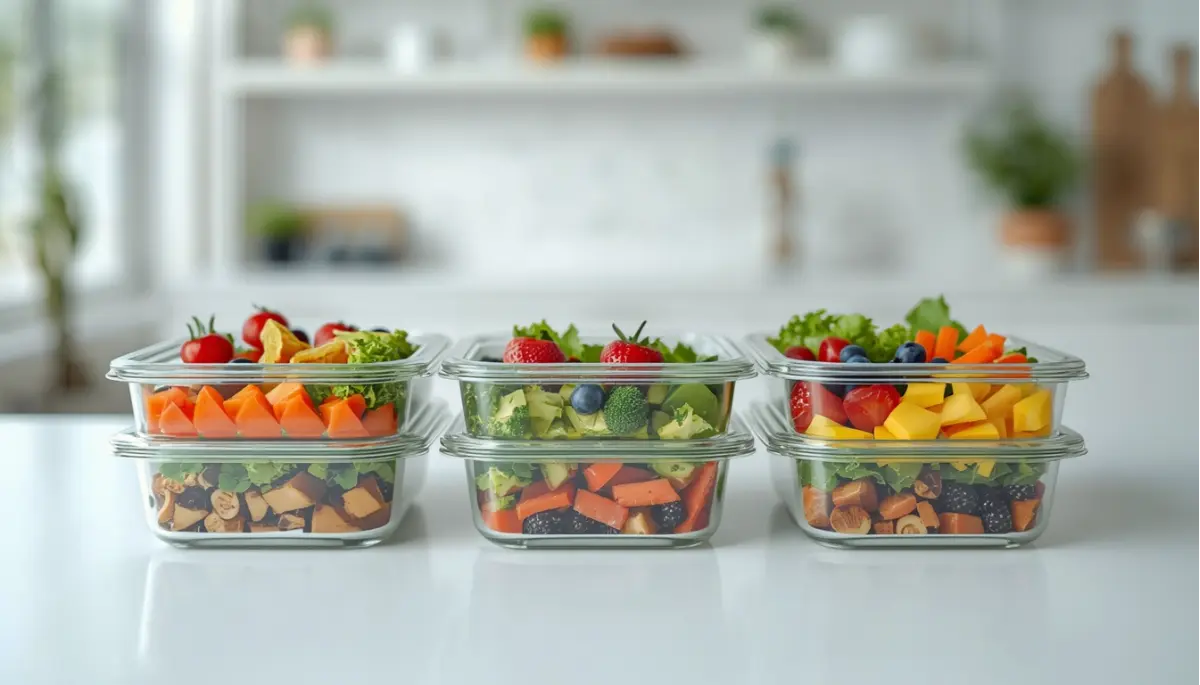
Q: How do I store and reheat these one-pot meals without losing their texture? A: Transfer the cooked food into airtight glass containers and store them in the refrigerator for up to 4 days. When you are ready to reheat, add a single tablespoon of water or bone broth over the food before microwaving for 90 seconds. This simple step creates fresh steam that keeps your lean proteins and grains from drying out.