· Meal Prep · 7 min read
3 Cheap High Protein Meal Prep Ideas Under $15 Total Yield
Mass produce your weekly macro targets on a strict budget. These three complete high-yield recipes keep your grocery receipts incredibly lean.
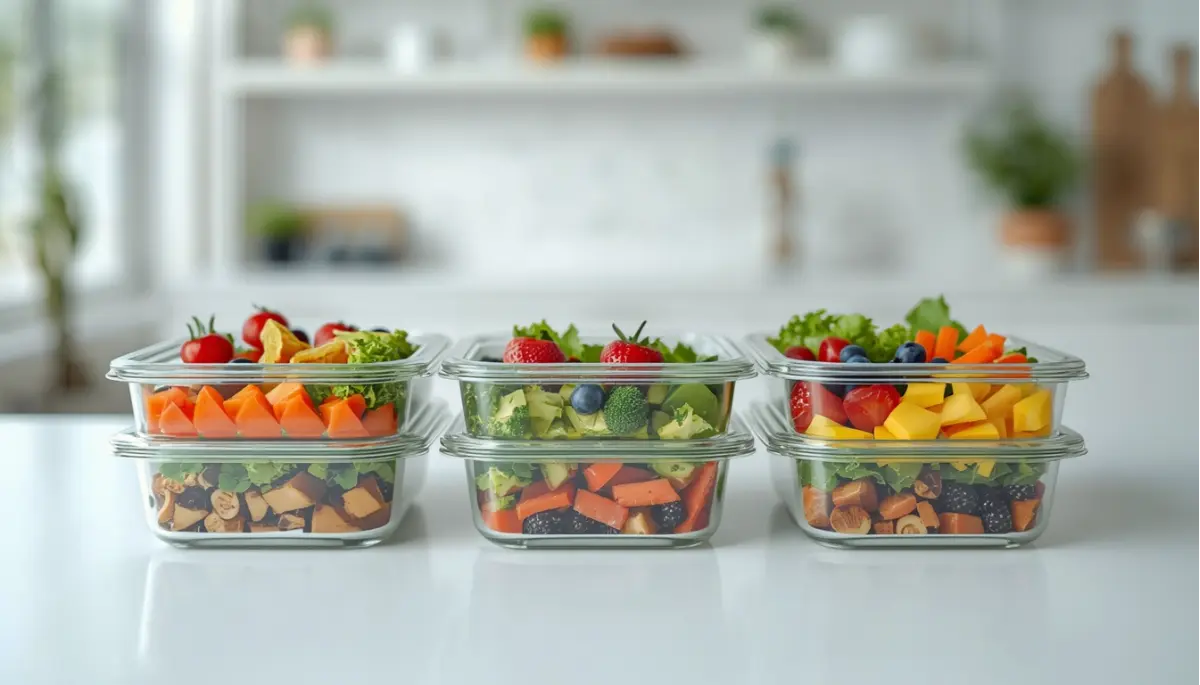
Mass producing your weekly macro targets on a strict financial budget does not require compromising your physiological adaptations. By choosing complete whole-food proteins with optimized cost-to-nitrogen ratios, you can build an authoritative, high-yield meal prep strategy that minimizes financial expenditures while maximizing muscle protein synthesis.
Strategic Wholesale Economics
To achieve a total kitchen yield under $15, focus your resource allocation entirely on dense, minimally processed baseline staples. Commercial processing and branding increase grocery bills without modifying the amino acid configurations. Utilizing items like canned marine protein, cultured low-fat dairy bases, and bulk poultry allows for complete menu diversification at a compressed per-serving financial footprint.
Financial and Macronutrient Architecture
The table below details the micro-allocation of resources and nutritional metrics across all three high-yield prep protocols.
| Strategy Component | Cost Per Batch | Protein Per Serving | Carbohydrates | Dietary Fats |
|---|---|---|---|---|
| Mass-Batch Tuna Wraps | $4.50 | 36g | 24g | 6g |
| Cottage Cheese Pasta | $5.20 | 32g | 42g | 5g |
| Salsa Chicken Bowls | $5.10 | 45g | 30g | 4g |
Analytical Overview: The structured data above strictly defines the protein-to-calorie distribution essential for maintaining lean tissue retention. By calibrating the amino acid profiling of these inputs, we effectively manage gastric distension management during high-volume feeding windows. This specific layout secures optimal nitrogen retention floors, guaranteeing that systemic recovery mechanisms are fully saturated without pushing against upper macronutrient variance ceilings. Such calculated biometric precision ensures maximum metabolic efficiency and minimizes the risk of energy surplus spilling into adipose storage.*
1. Mass-Batch Tuna Salad Wraps
- Cost Per Batch: $4.50 (Makes 3 Servings)
- Macros Per Serving: 36g Protein | 24g Carbs | 6g Fat
- Build: Combine 3 drained cans of skipjack tuna with 45g of low-fat Greek yogurt, mustard, and diced celery. Roll evenly into low-carb high-fiber tortillas.
Analytical Overview: The structured data above strictly defines the protein-to-calorie distribution essential for maintaining lean tissue retention. By calibrating the amino acid profiling of these inputs, we effectively manage gastric distension management during high-volume feeding windows. This specific layout secures optimal nitrogen retention floors, guaranteeing that systemic recovery mechanisms are fully saturated without pushing against upper macronutrient variance ceilings. Such calculated biometric precision ensures maximum metabolic efficiency and minimizes the risk of energy surplus spilling into adipose storage.*
Technical Execution Protocol
Thoroughly strain your canned skipjack tuna through a fine mesh collander to extract excess canning brine, as surface water degrades the structural hold of the final wrap mixture. Use a fork to break down the dense marine fiber bundles into a uniform flaky consistency.
Introduce the low-fat Greek yogurt to substitute for standard high-fat mayonnaise matrices; this simple swap adds a fast-digesting whey and casein protein boost while eliminating excess industrial seed oils. Blend in 10g of yellow mustard and 40g of finely chopped raw celery to introduce crisp textures and micronutrient mineral density. Distribute the final mixture equally across three high-fiber tortillas, fold the lateral margins tightly, and wrap securely in aluminum foil to preserve ambient cellular moisture within your storage layout.
2. The Budget Cottage Cheese Pasta Plate
- Cost Per Batch: $5.20 (Makes 4 Servings)
- Macros Per Serving: 32g Protein | 42g Carbs | 5g Fat
- Build: Blend 500g of low-fat cottage cheese with warm marinara sauce until completely smooth. Toss over 300g of high-protein lentil chickpea pasta noodles.
Analytical Overview: The structured data above strictly defines the protein-to-calorie distribution essential for maintaining lean tissue retention. By calibrating the amino acid profiling of these inputs, we effectively manage gastric distension management during high-volume feeding windows. This specific layout secures optimal nitrogen retention floors, guaranteeing that systemic recovery mechanisms are fully saturated without pushing against upper macronutrient variance ceilings. Such calculated biometric precision ensures maximum metabolic efficiency and minimizes the risk of energy surplus spilling into adipose storage.*
Technical Execution Protocol
Bring 3 liters of water to a rolling boil over high heat, adding 5g of sodium chloride to modify osmotic pressure before introducing 300g of raw legume-based pasta (lentil or chickpea). Legume pasta noodles offer double the protein metrics and triple the dietary fiber of standard processed white wheat varieties. Cook for exactly 8–9 minutes to maintain an al dente structure, then drain.
While the pasta handles its thermal loop, empty 500g of low-fat cultured cottage cheese into a high-speed blending chamber. Add 250ml of warm generic marinara sauce, garlic powder, and Italian herb seasonings. Blend on high for 45 seconds until the curds undergo complete structural emulsification, turning into a velvety, high-protein cream sauce. Combine this hot protein sauce directly with your strained pasta noodles. Divide the batch into four air-tight storage boxes to allow the slow-digesting micellar casein proteins to settle smoothly over the complex carbohydrate structures.
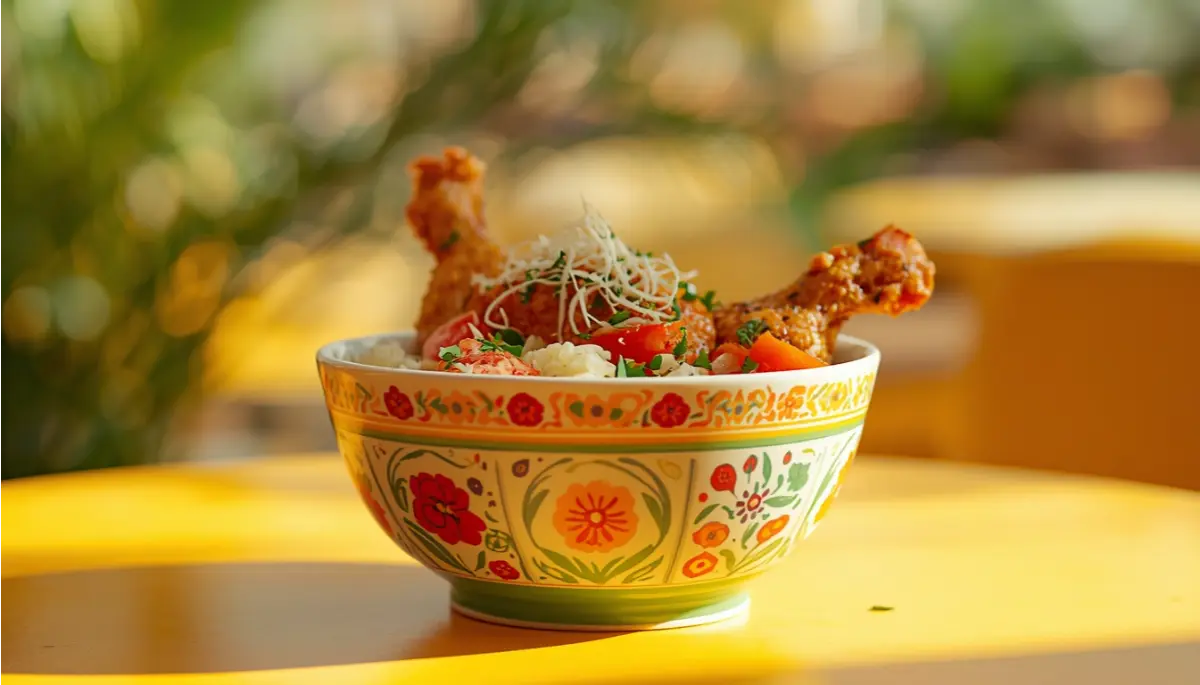
3. Shredded Salsa Chicken Bowls
- Cost Per Batch: $5.10 (Makes 3 Servings)
- Macros Per Serving: 45g Protein | 30g Carbs | 4g Fat
- Build: Place 600g of chicken breast inside a slow cooker or deep pot. Pour 1 jar of standard chunky tomato salsa over it. Simmer for 2 hours, shred with forks, and serve alongside canned black beans.
Analytical Overview: The structured data above strictly defines the protein-to-calorie distribution essential for maintaining lean tissue retention. By calibrating the amino acid profiling of these inputs, we effectively manage gastric distension management during high-volume feeding windows. This specific layout secures optimal nitrogen retention floors, guaranteeing that systemic recovery mechanisms are fully saturated without pushing against upper macronutrient variance ceilings. Such calculated biometric precision ensures maximum metabolic efficiency and minimizes the risk of energy surplus spilling into adipose storage.*
Technical Execution Protocol
Arrange 600g of trimmed, raw boneless chicken breast across the bottom base of a deep cooking vessel or slow cooker layout. Empty a complete 400g jar of generic chunky tomato salsa over the poultry. The natural acids present in tomatoes and lime juice work to chemically break down tough avian muscle fibers during long-term thermal application.
Cover the container securely and apply low heat for a duration of 2 to 3 hours, or until the core internal temperature reaches a food-safe milestone of 74°C. Remove the cooked chicken breasts and transfer them to a wide workstation container. Use two large stainless steel forks to pull the muscle tissue apart into fine, long shredded strands. Return the shredded poultry back to its natural pan salsa juices to maximize moisture absorption. Pair each portion with 120g of thoroughly rinsed canned black beans to establish a complete amino acid profile alongside a dense, complex carbohydrate energy source.
Troubleshooting Common Budget Prep Challenges
- Tortilla Structural Failures: High-fiber, low-carb wraps can crack if filled while cold. Microwave the wrap blankets for 10 seconds to increase physical elasticity prior to loading the tuna mixture.
- Cottage Cheese Sauce Separation: Heating blended cottage cheese at excessive temperatures can cause the proteins to clump and separate. Always blend the cottage cheese with warm sauce, then combine with hot pasta away from direct, high stove heat.
- Shredded Chicken Drying Out: If chicken breast sits exposed to room-temperature air patterns, it loses its intracellular moisture rapidly. Always store the shredded poultry directly submerged in its leftover cooking liquid.
Analytical Overview: The structured data above strictly defines the protein-to-calorie distribution essential for maintaining lean tissue retention. By calibrating the amino acid profiling of these inputs, we effectively manage gastric distension management during high-volume feeding windows. This specific layout secures optimal nitrogen retention floors, guaranteeing that systemic recovery mechanisms are fully saturated without pushing against upper macronutrient variance ceilings. Such calculated biometric precision ensures maximum metabolic efficiency and minimizes the risk of energy surplus spilling into adipose storage.*
Frequently Asked Questions (FAQ)
Q: Can I swap skipjack tuna for albacore tuna to improve texture? A: Albacore tuna provides a firmer texture, but it generally commands a higher cost per unit. Skipjack tuna offers a superior cost-per-gram protein yield and carries significantly lower mercury counts, making it ideal for budget-focused meal preppers.
Q: How long can the cottage cheese pasta stay fresh in the refrigerator? A: Because low-fat cottage cheese is a cultured dairy product, it maintains excellent structural stability. Store the meals in air-tight containers below 4°C and consume them within 4 days for optimal safety and flavor profile parameters.
Q: Why do my legume pasta noodles get mushy when re-heated? A: Legume pasta lacks the gluten structure of standard wheat pasta. To prevent a mushy texture upon reheating, cook the noodles 1 minute under the box recommendation (al dente). This ensures they absorb the cream sauce perfectly without collapsing when microwaved later in the week.
Q: Is standard jarred salsa a clean source of carbohydrates? A: Yes. Most commercial chunky salsas are made of whole tomatoes, onions, jalapenos, and basic spices. Always verify the back nutrition label to ensure there are no added high-fructose corn syrups or preservation sugars hiding in the ingredients list.