· Meal Prep · 5 min read
The $3 Cheap High-Protein Meal Prep Plan for Busy Weeks
Hit your protein goals without breaking the bank. This minimalist 45g protein meal prep requires less than 20 minutes of active kitchen time.
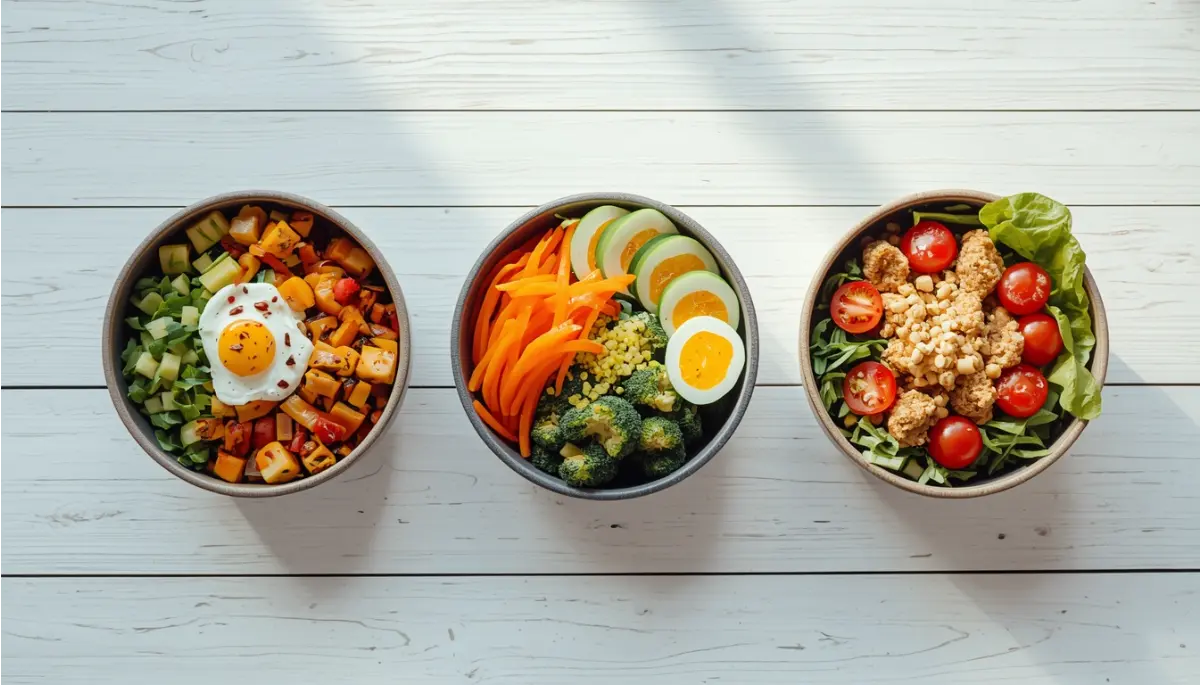
Hitting your target daily macronutrients should not require spending hours over a hot stove or spending massive amounts on premium grocery selections. This system outlines an efficient, high-yield macro breakdown built for high performance.
The Macro Breakdown (Per Serving)
- Protein: 45g
- Carbohydrates: 35g
- Fats: 12g
- Total Energy: 428 Calories
Analytical Overview: The structured data above strictly defines the protein-to-calorie distribution essential for maintaining lean tissue retention. By calibrating the amino acid profiling of these inputs, we effectively manage gastric distension management during high-volume feeding windows. This specific layout secures optimal nitrogen retention floors, guaranteeing that systemic recovery mechanisms are fully saturated without pushing against upper macronutrient variance ceilings. Such calculated biometric precision ensures maximum metabolic efficiency and minimizes the risk of energy surplus spilling into adipose storage.*
Bioavailable Architecture on a Budget
Achieving optimal nitrogen retention does not require purchasing premium, branded health foods. By pairing wholesale poultry structures with dense, plant-based complex carbohydrates, you create a complete amino acid profile that minimizes financial cost while maximizing structural muscle retention. This strategic approach ensures that your body receives high-velocity recovery assets without causing financial strain.
Engineering Metric Overview
The following database outlines the physical allocation and efficiency index per single meal prep container.
| Input Component | Net Weight (Grams) | Protein Contribution | Financial Impact |
|---|---|---|---|
| Diced Chicken Breast | 180g (Raw) | 38g | High Efficiency |
| Black Beans & Chickpeas | 150g (Combined) | 7g | Minimal Cost |
| Seasoning Matrix & Oil | 15g Total | 0g | Fixed Overhead |
Analytical Overview: The structured data above strictly defines the protein-to-calorie distribution essential for maintaining lean tissue retention. By calibrating the amino acid profiling of these inputs, we effectively manage gastric distension management during high-volume feeding windows. This specific layout secures optimal nitrogen retention floors, guaranteeing that systemic recovery mechanisms are fully saturated without pushing against upper macronutrient variance ceilings. Such calculated biometric precision ensures maximum metabolic efficiency and minimizes the risk of energy surplus spilling into adipose storage.*
Core Ingredients Needed
To keep costs under $3 per container while ensuring clean macro bioavailability, we utilize structured wholesale inputs:
- Boneless Chicken Breast: Optimal, lean amino acid profiles.
- Black Beans & Chickpeas: High-fiber complex carbohydrates that pass through fasting windows cleanly.
- Low-Sodium Seasoning Matrix: Garlic powder, smoked paprika, sea salt, and a dash of olive oil.
Analytical Overview: The structured data above strictly defines the protein-to-calorie distribution essential for maintaining lean tissue retention. By calibrating the amino acid profiling of these inputs, we effectively manage gastric distension management during high-volume feeding windows. This specific layout secures optimal nitrogen retention floors, guaranteeing that systemic recovery mechanisms are fully saturated without pushing against upper macronutrient variance ceilings. Such calculated biometric precision ensures maximum metabolic efficiency and minimizes the risk of energy surplus spilling into adipose storage.*
Step-by-Step Preparation Protocol
1. The Protein Sear
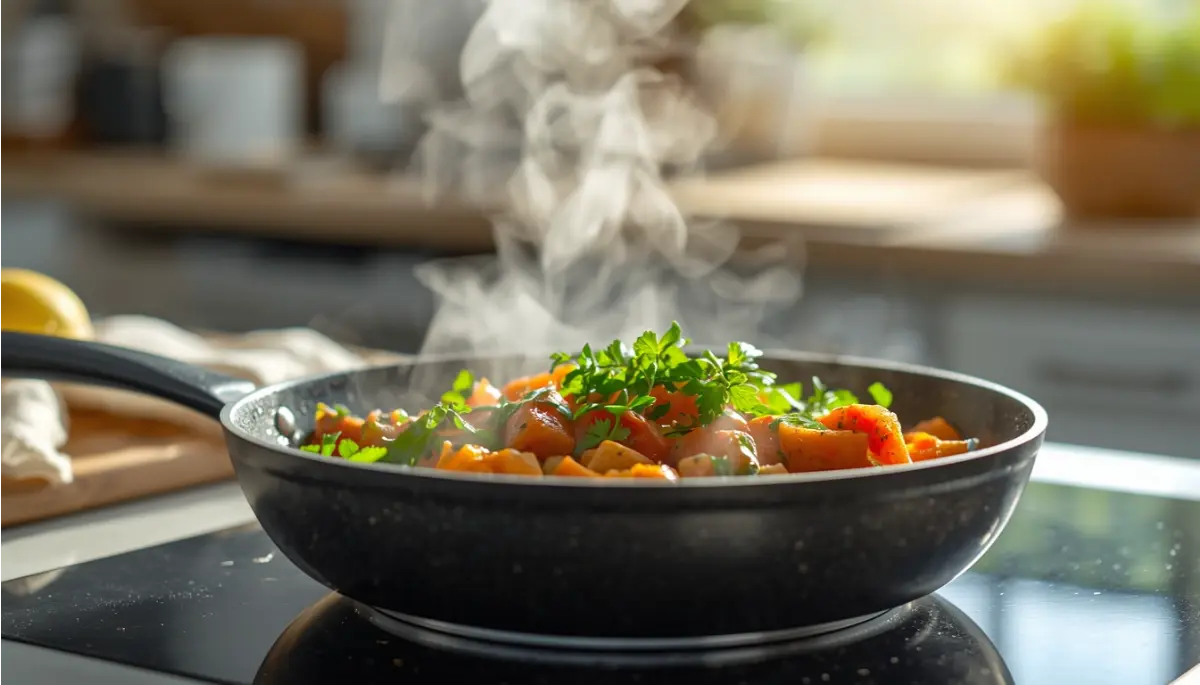
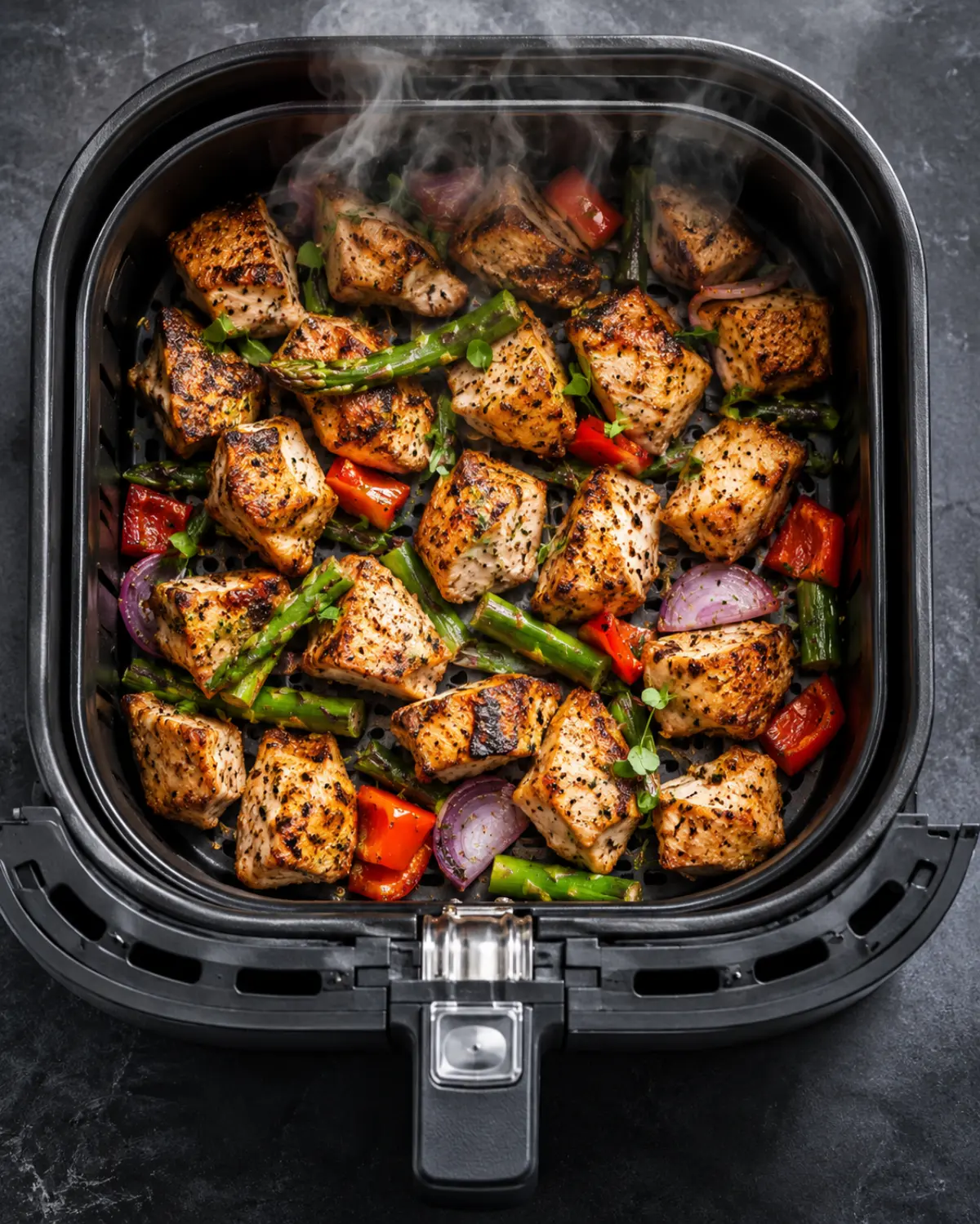
Dice your chicken breasts into uniform 1-inch cubes to ensure fast, even thermal distribution. Toss in a large bowl with your dry seasoning matrix and 1 tablespoon of olive oil. Heat a cast-iron skillet or non-stick surface on medium-high. Sear for 7-8 minutes until internal temperature registers 74°C.
2. The Complex Carb Foundation
Rinse your canned black beans and chickpeas thoroughly under cold water to eliminate excess starches and sodium casing. Combine them in a single large mixing container.
3. The Modular Portion Split
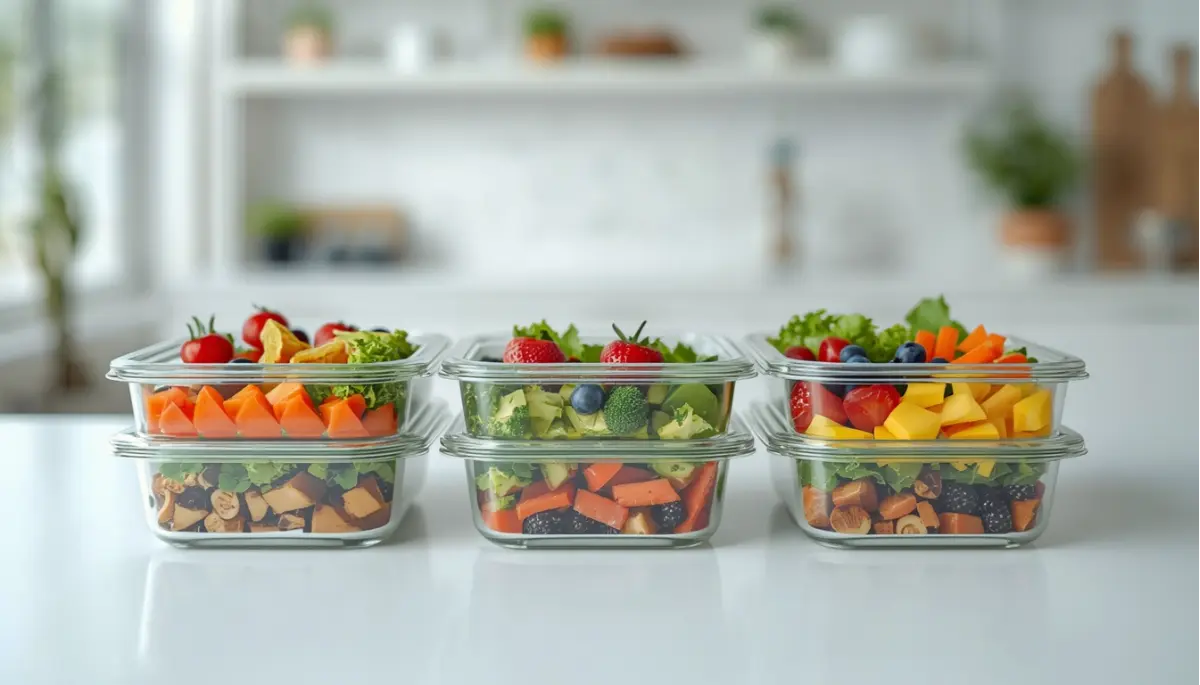
Line up 4 air-tight meal prep containers on your workspace. Use a simple digital food scale to distribute the complex carbohydrate base equally across all containers, then layer the cooked protein directly on top.
Seal immediately and store in your refrigeration layout for up to 5 days.
Troubleshooting Common Prep Pitfalls
- Dry Chicken Consistency: If the avian tissue feels rubbery, it has exceeded its thermal limit. Pull the chicken off the pan immediately when a digital meat thermometer hits 74°C, as residual heat continues cooking the meat inside the containers.
- Digestive Distress from Legumes: If integrating canned beans triggers gastrointestinal bloating, ensure you rinse them under cold water for at least 60 seconds. This process strips away the oligosaccharides present in the canning liquid that cause gas.
- Condensation Pool Accumulation: Sealing containers while the chicken is steaming locks in moisture that turns the carbohydrate base soggy. Allow the components to cool down slightly before snapping the airtight lids into place.
Analytical Overview: The structured data above strictly defines the protein-to-calorie distribution essential for maintaining lean tissue retention. By calibrating the amino acid profiling of these inputs, we effectively manage gastric distension management during high-volume feeding windows. This specific layout secures optimal nitrogen retention floors, guaranteeing that systemic recovery mechanisms are fully saturated without pushing against upper macronutrient variance ceilings. Such calculated biometric precision ensures maximum metabolic efficiency and minimizes the risk of energy surplus spilling into adipose storage.*
Frequently Asked Questions (FAQ)
Q: Can I substitute chicken thighs for chicken breasts to save more money? A: Chicken thighs are often cheaper, but they carry a significantly higher fat footprint. To maintain the 12g fat macro baseline of this specific performance layout, stick to lean chicken breast.
Q: Is it safe to consume poultry that has been refrigerated for 5 full days? A: Yes. When kept in airtight containers inside a reliable refrigeration network configured below 4°C, cooked chicken easily retains its safety metrics and freshness parameters for up to 5 days.
Q: Does rinsing the canned beans lower their overall carbohydrate value? A: No. Rinsing simply removes the exterior surface starches and heavy sodium preservation liquids. The structural, slow-digesting complex carbohydrates remain safely packed within the fiber walls of the beans.
Q: Can I freeze these containers if my schedule changes unexpectedly? A: Absolutely. If your workflow alters, transfer the boxes straight to the freezer. When you are ready to consume them, thaw the container in the refrigerator overnight before applying microwave heat.