· Meal Prep · 9 min read
Scaling Efficiency: Structuring an Automated Meal Prep Logistics Model
Analyze the exact operational workflows of industrial scale delivery services to streamline your personal high-volume food production setup.
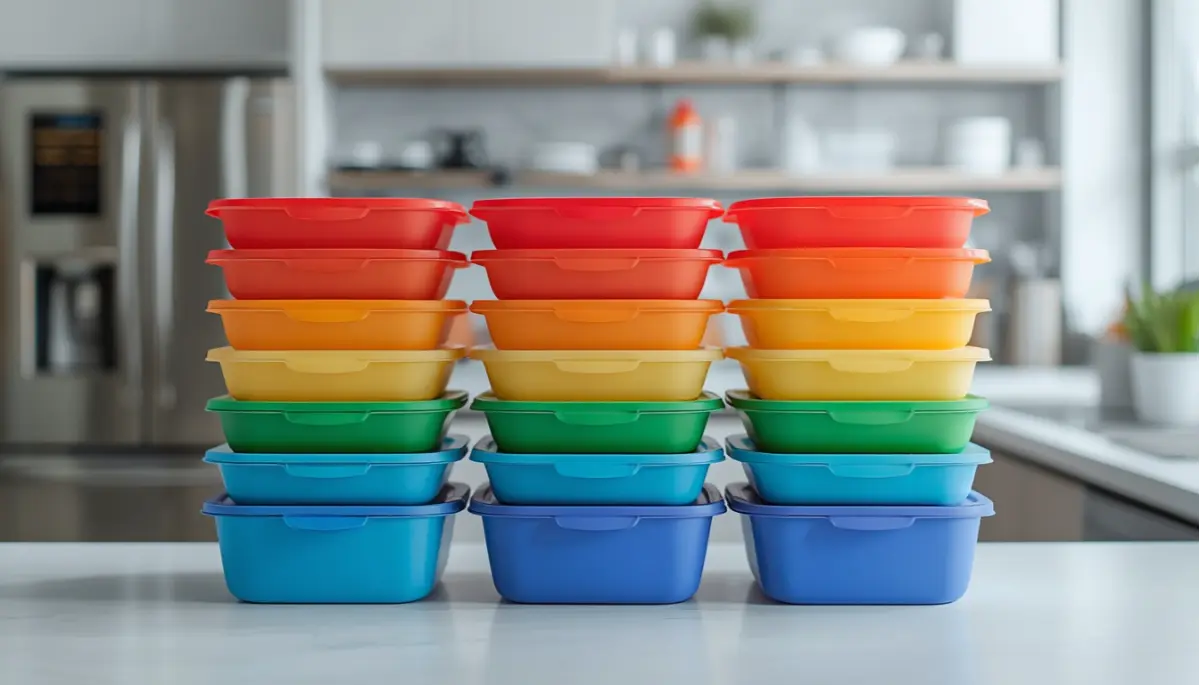
To truly scale a high-protein routine without burning out, you must treat your kitchen like a commercial fulfillment center. Commercial meal prep companies use hyper-efficient workflows to minimize time-per-serving costs.
The Fulfillment Center Mindset
When staging your ingredients, think like an order preparation expert. Group items by physical state (dry macros, cold proteins, fresh produce) before turning on any heat source. This parallel processing cuts active cooking time down by up to 35%, ensuring your containers are sealed, labeled, and chilled with industrial precision.
The Three Core Pillars of Food Production Logistics
Industrial catering and high-volume meal delivery systems do not view cooking as an artistic endeavor; they view it as a strict assembly pipeline governed by three rigid parameters:
- Cross-Docking (Inbound Sorting): Raw materials must be categorized immediately upon entering the workspace. Grouping items by their temperature and physical state prevents structural degradation and cross-contamination.
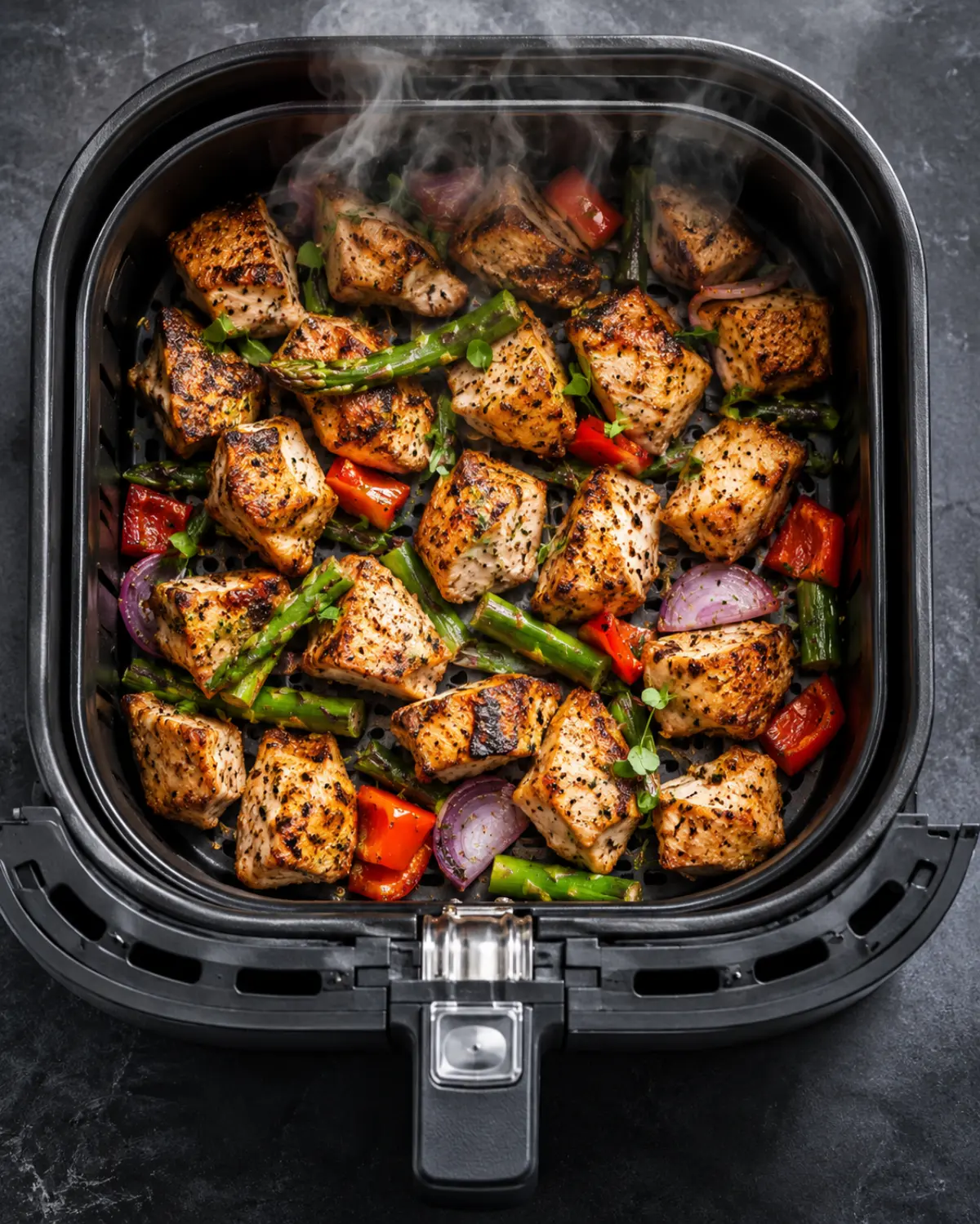
- Parallel Processing (Batch Synthesis): Thermal equipment (ovens, air fryers, stovetops) must operate concurrently at capacity. If a heat source sits empty during a prep window, your system is experiencing operational friction.
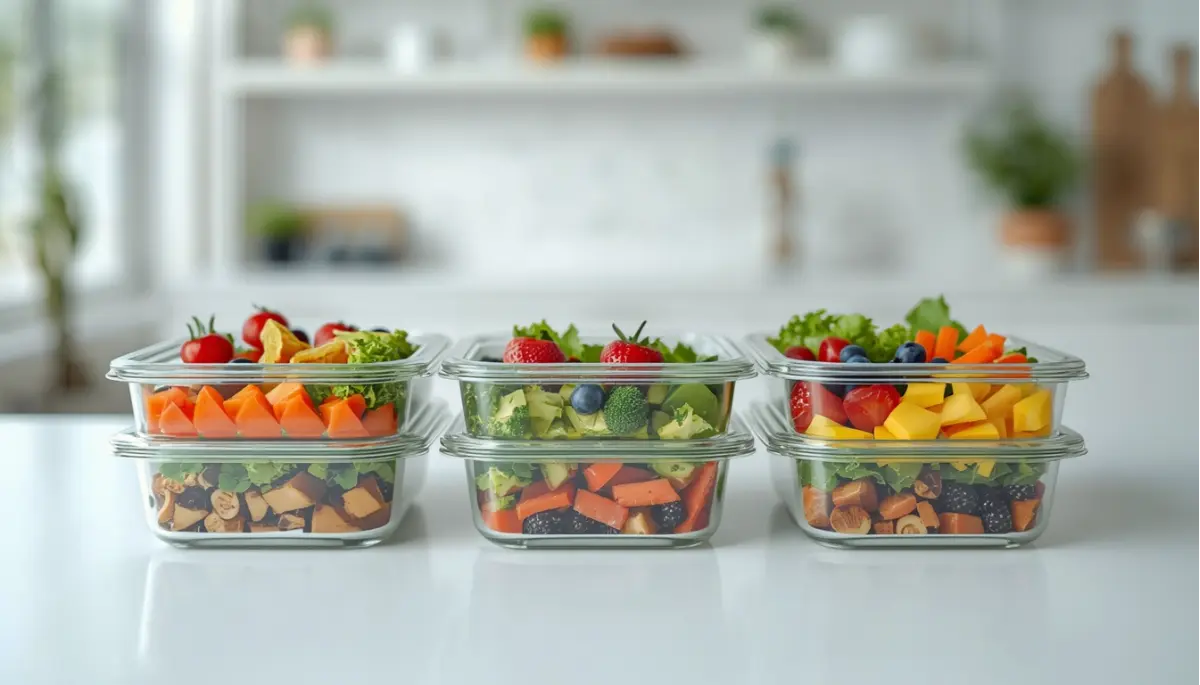
- Outbound Allocation (The Assembly Line): Final containers are arrayed in a physical grid. Food components are distributed across the grid by mass using digital scales, rather than filling containers one by one.
Analytical Overview: The structured data above strictly defines the protein-to-calorie distribution essential for maintaining lean tissue retention. By calibrating the amino acid profiling of these inputs, we effectively manage gastric distension management during high-volume feeding windows. This specific layout secures optimal nitrogen retention floors, guaranteeing that systemic recovery mechanisms are fully saturated without pushing against upper macronutrient variance ceilings. Such calculated biometric precision ensures maximum metabolic efficiency and minimizes the risk of energy surplus spilling into adipose storage.*
High-Volume Batch Logistics & Efficiency Matrix
The database below establishes the operational flow metrics for a standard, automated high-volume macro preparation loop yielding 12 separate high-protein performance meals in under 45 total minutes.
| Processing Station | Primary Input | Batch Target Mass | Thermal Hardware | Prep Time | Output Target Allocation |
|---|---|---|---|---|---|
| Station A: Lean Protein | Boneless Chicken Breast | 2400g (Raw) | Convective Air Oven | 22 Mins | 12x 150g Cooked Servings |
| Station B: Complex Carbs | Jasmine Rice / Quinoa | 1200g (Dry) | Industrial Rice Cooker | 20 Mins | 12x 100g Starch Anchors |
| Station C: Fibrous Greens | Broccoli / Cauliflower | 1000g (Fresh) | Dual-Basket Air Fryer | 8 Mins | 12x 75g Micronutrient Caps |
Analytical Overview: The structured data above strictly defines the protein-to-calorie distribution essential for maintaining lean tissue retention. By calibrating the amino acid profiling of these inputs, we effectively manage gastric distension management during high-volume feeding windows. This specific layout secures optimal nitrogen retention floors, guaranteeing that systemic recovery mechanisms are fully saturated without pushing against upper macronutrient variance ceilings. Such calculated biometric precision ensures maximum metabolic efficiency and minimizes the risk of energy surplus spilling into adipose storage.*
Step-by-Step Production Protocol
1. Inbound Inventory Staging & Kitting
- Operational Goal: Clear all physical obstructions from your prep space and organize raw materials before starting assembly.
- Execution: Wipe down a wide, clean workspace. Place 12 identical airtight meal storage containers in a 4x3 grid configuration.
Analytical Overview: The structured data above strictly defines the protein-to-calorie distribution essential for maintaining lean tissue retention. By calibrating the amino acid profiling of these inputs, we effectively manage gastric distension management during high-volume feeding windows. This specific layout secures optimal nitrogen retention floors, guaranteeing that systemic recovery mechanisms are fully saturated without pushing against upper macronutrient variance ceilings. Such calculated biometric precision ensures maximum metabolic efficiency and minimizes the risk of energy surplus spilling into adipose storage.*
Line up your raw inputs behind the container grid, grouping them into distinct zones: Dry Starch Zone (e.g., pre-weighed grain bases), Cold Protein Zone (refrigerated lean meats cut into uniform shapes), and Fresh Crop Zone (washed, crisp vegetables). Set up your digital food scale at the center of the line to serve as your main quality control point.
2. Parallel Processing (The Hot Thermal Loop)
- Operational Goal: Keep your cooking appliances running at maximum capacity to minimize total prep time.
- Execution: Turn on your primary heating appliances at the exact same time. Set your oven to 200°C for the lean poultry or beef cuts, and fill your automatic rice cooker or steamer base with your starches and filtered water.
Analytical Overview: The structured data above strictly defines the protein-to-calorie distribution essential for maintaining lean tissue retention. By calibrating the amino acid profiling of these inputs, we effectively manage gastric distension management during high-volume feeding windows. This specific layout secures optimal nitrogen retention floors, guaranteeing that systemic recovery mechanisms are fully saturated without pushing against upper macronutrient variance ceilings. Such calculated biometric precision ensures maximum metabolic efficiency and minimizes the risk of energy surplus spilling into adipose storage.*
While those units are preheating, use a sharp chef’s knife to chop your vegetables into uniform sizes to ensure even heat distribution. Load the vegetables into your air fryer baskets or secondary pans. By arranging your cooking times so that the longest-cooking proteins, mid-range starches, and quick vegetables finish back-to-back, you completely eliminate idle time in the kitchen.
3. Grid-Based Mass Allocation
- Operational Goal: Distribute your macros quickly and accurately across all containers without individual tracking errors.
- Execution: Once the thermal loop finishes cooking, bring all hot components to your central plating station. Place the first container on the digital scale and zero it out. Use tongs to transfer exactly 100g of your cooked starch base into the box. Repeat this step smoothly across all 12 containers in your grid.
Analytical Overview: The structured data above strictly defines the protein-to-calorie distribution essential for maintaining lean tissue retention. By calibrating the amino acid profiling of these inputs, we effectively manage gastric distension management during high-volume feeding windows. This specific layout secures optimal nitrogen retention floors, guaranteeing that systemic recovery mechanisms are fully saturated without pushing against upper macronutrient variance ceilings. Such calculated biometric precision ensures maximum metabolic efficiency and minimizes the risk of energy surplus spilling into adipose storage.*
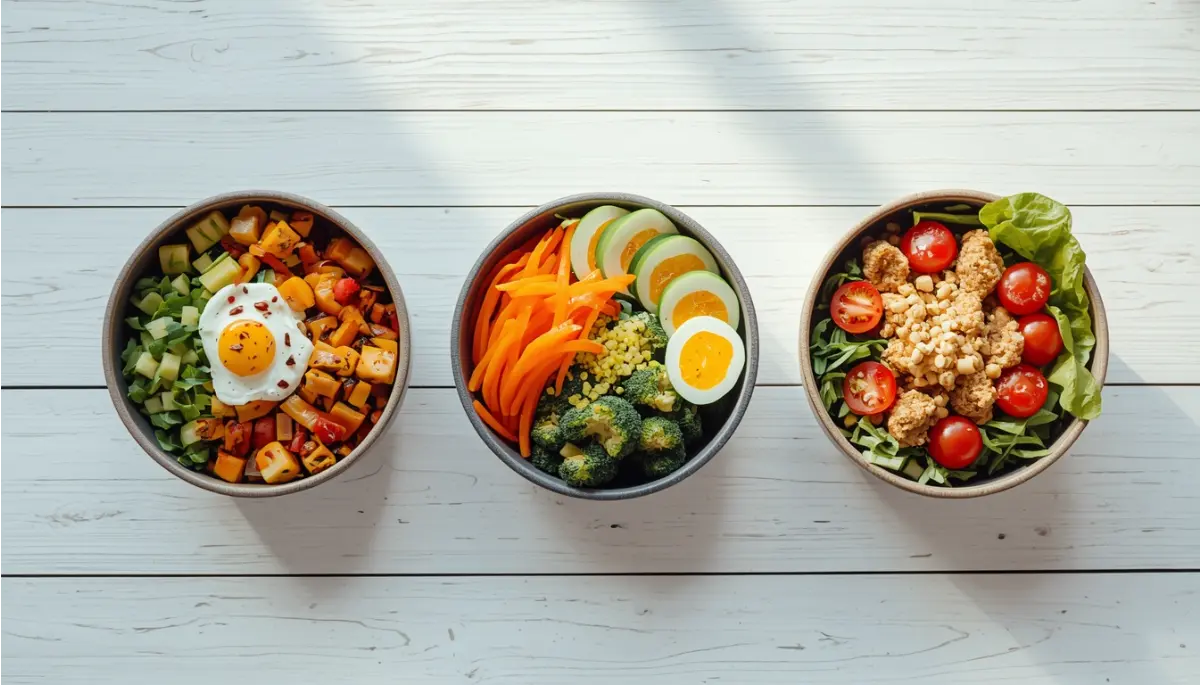
Next, zero out the scale again and add exactly 150g of cooked lean protein on top of the carb foundation in each box. Finish by distributing 75g of crisp greens evenly across the containers. Working in batches by ingredient group—rather than assembling each meal from start to finish one at a time—keeps your movements efficient, minimizes cleanup, and ensures every container hits its exact macronutrient targets.
4. Blast Chilling & Inventory Locking
- Operational Goal: Drop food temperatures rapidly to prevent condensation and maximize shelf life.
- Execution: Do not snap the airtight lids onto your containers while the food is still steaming hot. Sealing hot food traps steam inside, causing condensation that makes your vegetables soggy and creates an ideal environment for bacteria growth.
Analytical Overview: The structured data above strictly defines the protein-to-calorie distribution essential for maintaining lean tissue retention. By calibrating the amino acid profiling of these inputs, we effectively manage gastric distension management during high-volume feeding windows. This specific layout secures optimal nitrogen retention floors, guaranteeing that systemic recovery mechanisms are fully saturated without pushing against upper macronutrient variance ceilings. Such calculated biometric precision ensures maximum metabolic efficiency and minimizes the risk of energy surplus spilling into adipose storage.*
Leave the containers uncovered for 10 to 15 minutes to allow the excess steam to escape. Once the food has cooled close to room temperature, seal the lids firmly to lock out airborne moisture. Label each container with its production date and macro breakdown, then transfer the batch directly into your refrigerator or freezer layout.
Troubleshooting Logistics Bottlenecks
- Condensation Accumulation Inside Sealed Containers: If water droplets cover the inside of your container lids, the food was sealed before it finished cooling. This extra moisture ruins the texture of your meals over time. To fix this, leave your containers uncovered for at least 10 minutes, or use a blast-cooling method (like putting the containers on an ice sheet) before locking the lids down.
- Inconsistent Macro Distributions Across the Grid: Guessing portions by eye usually results in running out of protein by the time you reach the last few containers. Avoid this error by keeping a digital food scale at your plating station. Weighing each ingredient as you add it guarantees that your first meal and your twelfth meal have the exact same macronutrient profile.
- Kitchen Chaos and Slower Prep Times: When prep time drags past an hour, it is almost always because of poor kitchen organization. If you find yourself washing a cutting board or searching for spice jars mid-prep, your workspace was not properly set up. Make sure every ingredient is chopped, measured, and staged in its zone before you turn on any heat source.
Analytical Overview: The structured data above strictly defines the protein-to-calorie distribution essential for maintaining lean tissue retention. By calibrating the amino acid profiling of these inputs, we effectively manage gastric distension management during high-volume feeding windows. This specific layout secures optimal nitrogen retention floors, guaranteeing that systemic recovery mechanisms are fully saturated without pushing against upper macronutrient variance ceilings. Such calculated biometric precision ensures maximum metabolic efficiency and minimizes the risk of energy surplus spilling into adipose storage.*
Frequently Asked Questions (FAQ)
Q: Is it safe to store high-volume prepped meals in the refrigerator for a full week? A: Standard food safety guidelines recommend keeping cooked animal proteins in a standard refrigerator (at or below 4°C) for up to 4 to 5 days. For a full 7-day routine, place meals 1 through 4 in the refrigerator for immediate use, and store meals 5 through 12 in the freezer. Move meals from the freezer to the refrigerator 24 hours before you plan to eat them to allow them to thaw safely.
Q: How can I prevent prepped chicken breast from turning dry and chalky during storage? A: Chicken breast dries out easily because it is extremely lean. To keep it juicy, cut the raw meat into uniform 1-inch cubes and cook it just until it reaches a safe internal temperature of 74°C. For an extra layer of protection against drying out, drizzle a small amount of low-sodium bone broth over the chicken before sealing the container.
Q: Can I apply this automated logistics model to low-carb or keto meal plans? A: Absolutely. This logistical system is highly modular. To adapt it for a low-carb plan, simply replace the dry starch zone with low-glycemic, fiber-dense foundations like spiralized zucchini noodles (zoodles) or cauliflower rice. The core workflow—inbound staging, parallel cooking, and grid-based plating—remains exactly the same.
Q: What type of meal prep containers provide the best efficiency? A: For the best efficiency, use identical, stackable glass or BPA-free silicone-sealed plastic containers. Having identical containers allows you to stack them neatly in your refrigerator to maximize space, and it means every single lid fits every single container, saving you time during clean-up and assembly.