· Meal Prep · 11 min read
The 15-Minute High-Protein Lunch Prep System
Streamline your afternoon nutrition with a modular, high-volume lunch prep strategy that eliminates afternoon brain fog and sustains lean mass.
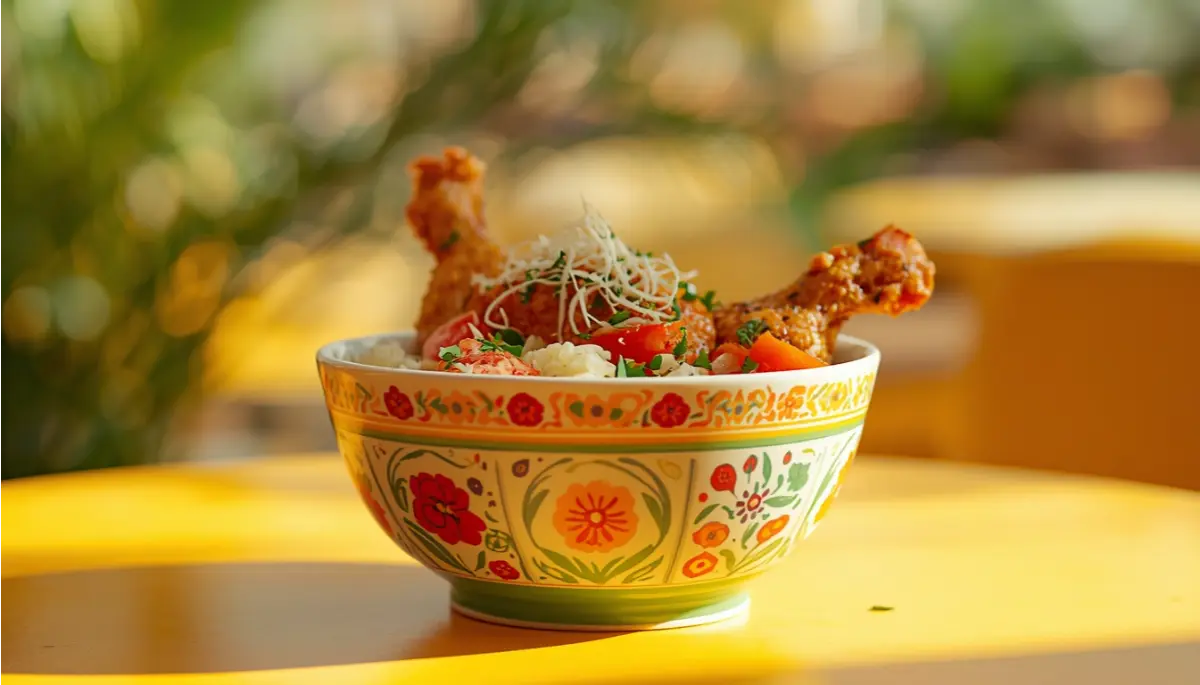
Midday lethargy is typically caused by insulin spikes resulting from unmeasured, carb-heavy lunches. This blueprint provides a highly modular framework focused on lean poultry, cruciferous greens, and essential fatty acids that can be assembled in under 15 minutes.
Biomechanics of Afternoon Performance
Experiencing a severe drop in energy at 2:00 PM is rarely a lack of focus; it is a predictable physiological response to poorly managed midday macro tracking. Consuming unmeasured, carbohydrate-dense lunches triggers a rapid spike in blood glucose levels, prompting an aggressive insulin response to clear the bloodstream. This metabolic roller coaster plunges you into a state of reactive hypoglycemia, bringing along brain fog and fatigue.
By shifting your afternoon fuel source to lean animal-based proteins, low-glycemic cruciferous vegetables, and high-quality monounsaturated fatty acids, you bypass this insulin cascade completely. This protocol preserves stable blood sugar, keeps muscle protein synthesis elevated, and maintains consistent cognitive drive throughout your entire working day.
Midday Macro & Efficiency Index
The database below outlines the macro metrics and primary performance vectors across all 5 rapid lunch variations.
| Lunch Protocol Setup | Protein Mass | Total Carbs | Dietary Fats | Net Energy | Core Performance Utility |
|---|---|---|---|---|---|
| 1. Lean Turkey & Spinach Bowl | 52g | 12g | 14g | 382 kcal | Cognitive Satiety & Neuro-Support |
| 2. Air-Fried Sirloin & Broccoli | 48g | 15g | 11g | 351 kcal | Heme-Iron & Intramuscular Volumization |
| 3. Cold-Pressed Tuna Cucumber Boat | 40g | 6g | 8g | 256 kcal | Extreme Macro Compression / Anti-Bloat |
| 4. Shredded Chicken Shred Salad | 45g | 10g | 7g | 283 kcal | High-Volume Micronutrient Load |
| 5. Creamy Salmon Zoodle Stir-Fry | 42g | 8g | 16g | 344 kcal | Neurovascular Inflammation Control |
Analytical Overview: The structured data above strictly defines the protein-to-calorie distribution essential for maintaining lean tissue retention. By calibrating the amino acid profiling of these inputs, we effectively manage gastric distension management during high-volume feeding windows. This specific layout secures optimal nitrogen retention floors, guaranteeing that systemic recovery mechanisms are fully saturated without pushing against upper macronutrient variance ceilings. Such calculated biometric precision ensures maximum metabolic efficiency and minimizes the risk of energy surplus spilling into adipose storage.*
1. The 50g Protein Lean Turkey & Spinach Bowl
- Macros: 52g Protein / 12g Carbs / 14g Fat (382 Calories)
- Protocol: Brown 200g of extra-lean ground turkey in a pan with standard garlic and onion powder. Toss into a bowl over a massive bed of raw baby spinach (100g). Add 30g of sliced avocado for healthy monounsaturated fat integration.
Analytical Overview: The structured data above strictly defines the protein-to-calorie distribution essential for maintaining lean tissue retention. By calibrating the amino acid profiling of these inputs, we effectively manage gastric distension management during high-volume feeding windows. This specific layout secures optimal nitrogen retention floors, guaranteeing that systemic recovery mechanisms are fully saturated without pushing against upper macronutrient variance ceilings. Such calculated biometric precision ensures maximum metabolic efficiency and minimizes the risk of energy surplus spilling into adipose storage.*
Technical Execution Protocol
Set a high-quality non-stick frying pan over medium-high heat. Weigh out exactly 200g of raw extra-lean ground turkey (93/7 or 99% lean variance). Drop the meat into the pan and use a firm wooden spatula to immediately break down the clusters into a fine crumble to ensure uniform heat tracking. Season the meat evenly with 2g of garlic powder, 2g of onion powder, and a generous pinch of sea salt. Sauté for 6 to 7 minutes until the turkey turns completely brown and reaches a safe internal temperature.
While the protein cooks, line a large meal container with a massive 100g bed of raw baby spinach leaves. Keep the spinach raw; hot wilting breaks down its structural fiber and volume, which are crucial for physical gastric distension and long-lasting satiety.
Transfer the hot seasoned ground turkey directly on top of the fresh spinach layer. Weigh out precisely 300mg of fresh Haas avocado (approx. 30g), slice it cleanly into thin slivers, and place them on top of the meat. The ambient heat from the turkey will soften the avocado fats, yielding a rich, creamy texture without needing processed high-calorie dressings.
2. The Air-Fried Sirloin & Broccoli Box
- Macros: 48g Protein / 15g Carbs / 11g Fat (351 Calories)
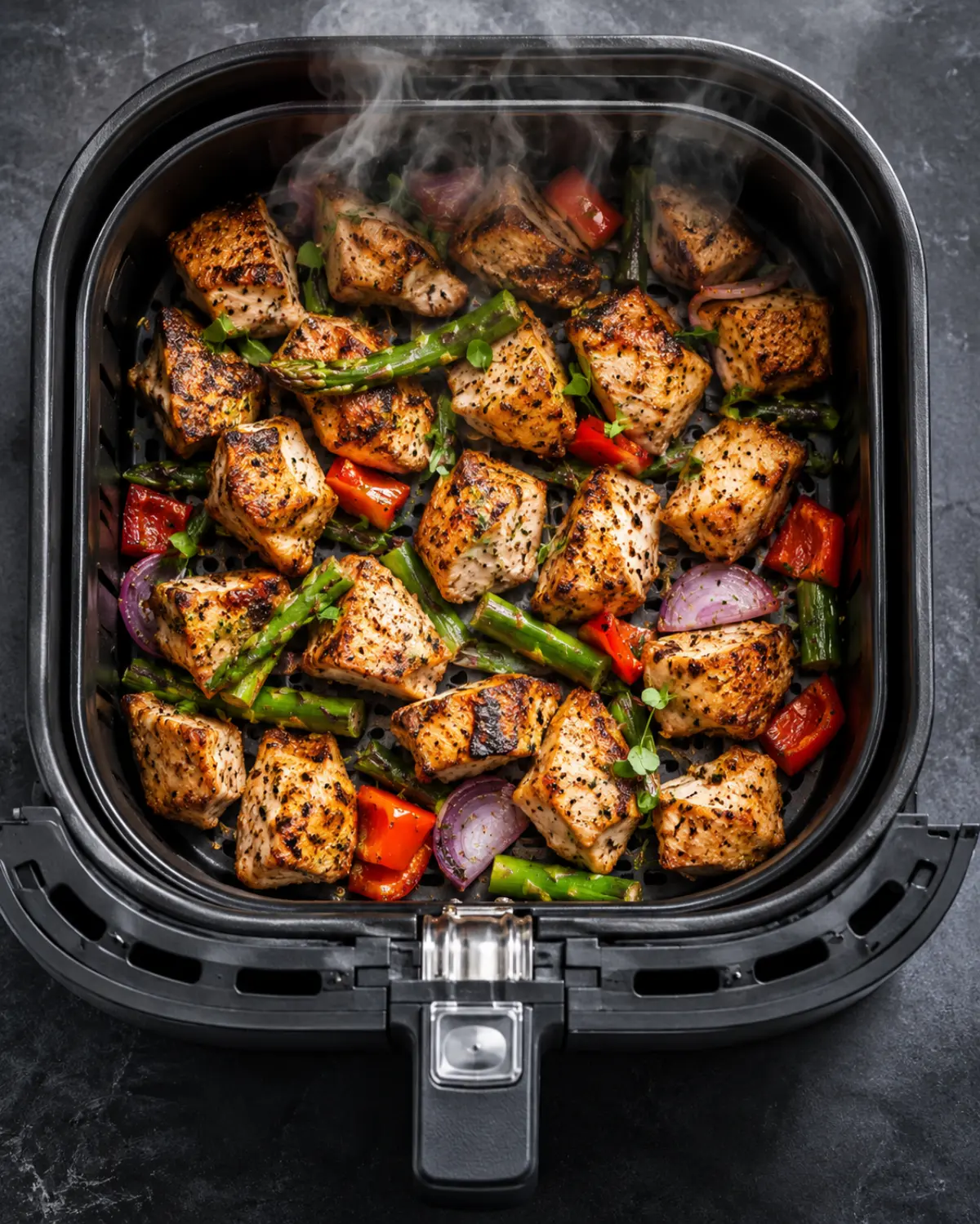
- Protocol: Slice 150g of lean sirloin steak into strips. Toss with 150g of fresh broccoli florets. Spritz lightly with olive oil spray and air-fry at 200°C for exactly 9 minutes. Divide into your daytime container layout for a high-iron, high-protein midday fuel source.
Analytical Overview: The structured data above strictly defines the protein-to-calorie distribution essential for maintaining lean tissue retention. By calibrating the amino acid profiling of these inputs, we effectively manage gastric distension management during high-volume feeding windows. This specific layout secures optimal nitrogen retention floors, guaranteeing that systemic recovery mechanisms are fully saturated without pushing against upper macronutrient variance ceilings. Such calculated biometric precision ensures maximum metabolic efficiency and minimizes the risk of energy surplus spilling into adipose storage.*
Technical Execution Protocol
Take 150g of raw, trimmed lean sirloin steak. Using a sharp chef’s knife, cut the steak against the grain into uniform strips roughly half an inch thick. Slicing against the grain snaps the tough structural collagen fibers, guaranteeing a tender texture when exposed to fast convective heat.
Weigh 150g of clean, fresh broccoli florets and place them in a mixing bowl alongside your sirloin strips. Apply a single, controlled 1-second spritz of high-oleic olive oil spray over the meat and vegetables. Toss the mixture thoroughly to distribute the micro-layer of oil evenly.
Transfer the seasoned contents into your air fryer basket, ensuring they sit in a single, uncrowded layer to facilitate rapid air circulation. Set the air fryer unit configuration to 200°C and cook for exactly 9 minutes. At the 5-minute mark, pull the basket and shake it vigorously to rotate the broccoli edges and steak surfaces. Transfer the charred broccoli and seared sirloin directly into your portable lunchbox configuration.
3. Cold-Pressed Tuna Cucumber Boats
- Macros: 40g Protein / 6g Carbs / 8g Fat (256 Calories)
- Protocol: Mix 150g of drained albacore canned tuna with 30g of 0% Greek yogurt and 5g of Dijon mustard. Slice a large English cucumber lengthwise, scoop out the watery seed track, and fill the cavity with the tuna mix.
Analytical Overview: The structured data above strictly defines the protein-to-calorie distribution essential for maintaining lean tissue retention. By calibrating the amino acid profiling of these inputs, we effectively manage gastric distension management during high-volume feeding windows. This specific layout secures optimal nitrogen retention floors, guaranteeing that systemic recovery mechanisms are fully saturated without pushing against upper macronutrient variance ceilings. Such calculated biometric precision ensures maximum metabolic efficiency and minimizes the risk of energy surplus spilling into adipose storage.*
Technical Execution Protocol
Open one can of solid white albacore tuna packed in water and press the lid down tightly to drain out all residual canning liquid until you have exactly 150g of dry fish flakes. Transfer the tuna into a workspace bowl. Add 30g of plain, non-fat Greek yogurt to replace traditional high-fat mayonnaise, providing a clean dose of casein along with a tangy bite. Stir in 5g of sharp Dijon mustard and a shake of cracked white pepper until the tuna paste binds together smoothly.
Take a fresh, cold English cucumber and slice it cleanly in half lengthwise. Using a teaspoon, scrape down the central core to remove the high-moisture seed channel. This creates a solid, rigid vegetable hull while eliminating excess water that could make your lunch soggy. Pack the tuna mixture evenly into the hollowed cucumber channels, dust with dried dill, and slice into bite-sized segments.
4. High-Volume Chicken Shred Salad
- Macros: 45g Protein / 10g Carbs / 7g Fat (283 Calories)
- Protocol: Combine 180g of shredded pre-cooked chicken breast with 100g of shredded purple cabbage and 50g of grated carrots. Dress with 15ml of calorie-free rice vinegar and 1 teaspoon of toasted sesame oil.
Analytical Overview: The structured data above strictly defines the protein-to-calorie distribution essential for maintaining lean tissue retention. By calibrating the amino acid profiling of these inputs, we effectively manage gastric distension management during high-volume feeding windows. This specific layout secures optimal nitrogen retention floors, guaranteeing that systemic recovery mechanisms are fully saturated without pushing against upper macronutrient variance ceilings. Such calculated biometric precision ensures maximum metabolic efficiency and minimizes the risk of energy surplus spilling into adipose storage.*
Technical Execution Protocol
Weigh out 180g of cold, pre-cooked skinless chicken breast. Using your hands or two forks, shred the breast meat into fine threads to maximize the surface area for dressing retention.
In a large, airtight mixing container, combine 100g of finely shredded crisp purple cabbage and 50g of raw grated carrots. These cruciferous and root bases hold their structural crunch for hours under dressing, making them superior to delicate leaf lettuces for busy macro-tracking days.
Drop the shredded chicken onto the vegetable mix. Drizzle with 15ml of clean rice vinegar and exactly 1 teaspoon (5ml) of toasted sesame oil. Seal the container tightly and shake it aggressively for 15 seconds to emulsify the dressing across the fibers.
5. Creamy Salmon Zoodle Stir-Fry
- Macros: 42g Protein / 8g Carbs / 16g Fat (344 Calories)
- Protocol: Flash-cook 160g of skinless salmon cubes in a hot pan for 5 minutes. Reduce heat, toss in 150g of raw zucchini noodles and 20g of low-fat cream cheese, and stir for 60 seconds until a smooth sauce forms.
Analytical Overview: The structured data above strictly defines the protein-to-calorie distribution essential for maintaining lean tissue retention. By calibrating the amino acid profiling of these inputs, we effectively manage gastric distension management during high-volume feeding windows. This specific layout secures optimal nitrogen retention floors, guaranteeing that systemic recovery mechanisms are fully saturated without pushing against upper macronutrient variance ceilings. Such calculated biometric precision ensures maximum metabolic efficiency and minimizes the risk of energy surplus spilling into adipose storage.*
Technical Execution Protocol
Cut 160g of fresh, skinless Atlantic salmon fillet into uniform 1-inch cubes. Heat a non-stick skillet over medium-high heat. Place the salmon cubes in the dry pan—salmon contains plenty of natural omega-3 fatty acids, meaning you do not need to add any supplemental oils to prevent sticking. Sear the cubes undisturbed for 3 minutes to lock in flavor, then flip gently and cook for an additional 2 minutes.
Turn the heat down to low. Toss 150g of raw, fresh zucchini noodles (zoodles) directly into the pan with the salmon. Immediately add 20g of low-fat cream cheese and a tablespoon of warm water.
Using a silicone spatula, swirl the melting cream cheese and water together for exactly 60 seconds. This creates a rich, velvety sauce that coats the green noodles beautifully without overcooking the zucchini. Remove from the heat immediately to prevent the zoodles from releasing water and turning runny.
Troubleshooting Your Midday Prep
- Ground Turkey Turning Out Dry and Chalky: Ground turkey is exceptionally lean and dries out quickly if overcooked. To fix this, add 2 tablespoons (30ml) of organic bone broth to the skillet during the final 2 minutes of browning. This infuses the meat fibers with clean collagen moisture without shifting your macro numbers.
- Broccoli Edges Scorching in the Air Fryer: If your broccoli florets are turning into black ash before the sirloin is cooked, your florets are cut too small. Keep your broccoli pieces large and uniform, and ensure they are damp before applying your olive oil spray to preserve internal cellular steam.
- Cucumber Boats Getting Watery and Soft: If you prep your cucumber boats the night before, they can lose their crisp texture. To prevent this, sprinkle a tiny pinch of salt into the hollowed cucumber channel and let it sit upside down on a paper towel for 10 minutes before adding the tuna. This draws out excess moisture, keeping the cucumber crisp for your midday meal.
Analytical Overview: The structured data above strictly defines the protein-to-calorie distribution essential for maintaining lean tissue retention. By calibrating the amino acid profiling of these inputs, we effectively manage gastric distension management during high-volume feeding windows. This specific layout secures optimal nitrogen retention floors, guaranteeing that systemic recovery mechanisms are fully saturated without pushing against upper macronutrient variance ceilings. Such calculated biometric precision ensures maximum metabolic efficiency and minimizes the risk of energy surplus spilling into adipose storage.*
Frequently Asked Questions (FAQ)
Q: Can I swap ground turkey for lean ground beef in the spinach bowl? A: Yes. However, make sure you use a 93% or leaner ground beef variant to keep the dietary fat content close to the original 14g target. Ground beef will naturally increase your iron and zinc payloads slightly.
Q: Why do you keep the spinach completely raw in the turkey bowl recipe? A: Cooking or wilting spinach dramatically compresses its volume, making it easy to overeat. Keeping the 100g of baby spinach raw preserves its insoluble structural fiber, which takes up physical space in your stomach to maximize long-term fullness and eliminate afternoon snacking urges.
Q: Is it safe to reheat the salmon zoodle stir-fry in an office microwave? A: To avoid overcooking the delicate salmon and turning the zoodles into mush, it is best to enjoy this meal cold or at room temperature. If you prefer it hot, microwave it at 50% power for only 45 to 60 seconds.
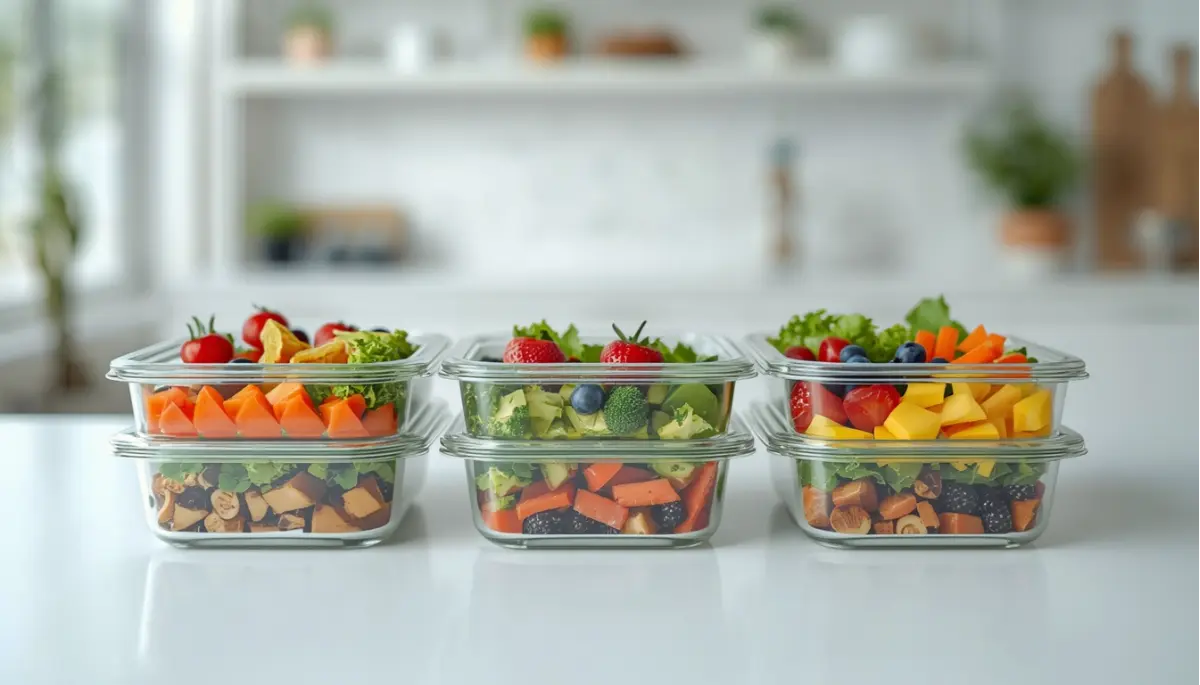
Q: Can I scale this system up to prep an entire week of lunches at once? A: Absolutely. The Turkey Bowl, Sirloin Box, and Shredded Chicken Salad are perfect for 4-day meal prep rotations when stored in airtight containers. For best results, keep your vegetable components (zoodles, lettuce, cucumbers) separate from the cooked proteins until the morning of consumption.